Introduction
Technology has become the backbone of modern civilization, influencing every aspect of our lives—from communication and education to healthcare, business, and entertainment. What once began as a means to simplify daily tasks has now evolved into a global revolution that defines how we live, think, and interact. In the 21st century, technology is not merely a tool; it is an ecosystem that drives innovation, progress, and transformation. This blog explores how technology continues to reshape the world, its profound impacts on society, and what the future may hold for humanity in this ever-evolving digital age.
The Evolution of Technology Through Time
The journey of technology began with simple tools crafted from stone and wood, evolving through centuries of innovation to reach today’s digital marvels. The Industrial Revolution marked a turning point by introducing machinery that changed manufacturing and production forever. Later, the invention of electricity, the telephone, and the computer paved the way for a new era of connectivity and convenience. In the 20th century, the advent of the internet transformed how people access information, communicate, and conduct business. Today, we live in a world where artificial intelligence, robotics, and automation dominate, creating what many call the Fourth Industrial Revolution—a blend of the physical, digital, and biological worlds.
The Power of Digital Transformation
Digital transformation refers to the integration of technology into all areas of life and business, fundamentally changing how we operate and deliver value. For companies, digital transformation has become essential to stay competitive in a rapidly changing marketplace. Cloud computing, big data analytics, and automation tools have enabled organizations to become more efficient and data-driven. Individuals, too, benefit from this transformation, as technology provides easier access to information, enhances creativity, and simplifies complex processes. This digital shift has created a world where speed, efficiency, and innovation are the cornerstones of success.
Artificial Intelligence: The Mind of Modern Machines
Artificial Intelligence (AI) has emerged as one of the most influential forces in today’s technological landscape. From voice assistants and chatbots to predictive analytics and autonomous vehicles, AI has become a part of everyday life. It enables machines to learn from data, adapt to new situations, and make decisions that once required human intelligence. In healthcare, AI algorithms assist doctors in diagnosing diseases faster and more accurately. In education, personalized learning platforms use AI to tailor content according to each student’s needs. However, as AI continues to advance, it also raises questions about privacy, job displacement, and ethical responsibility. Balancing innovation with human values will be critical as AI becomes more deeply integrated into society.
The Internet of Things: A Connected World
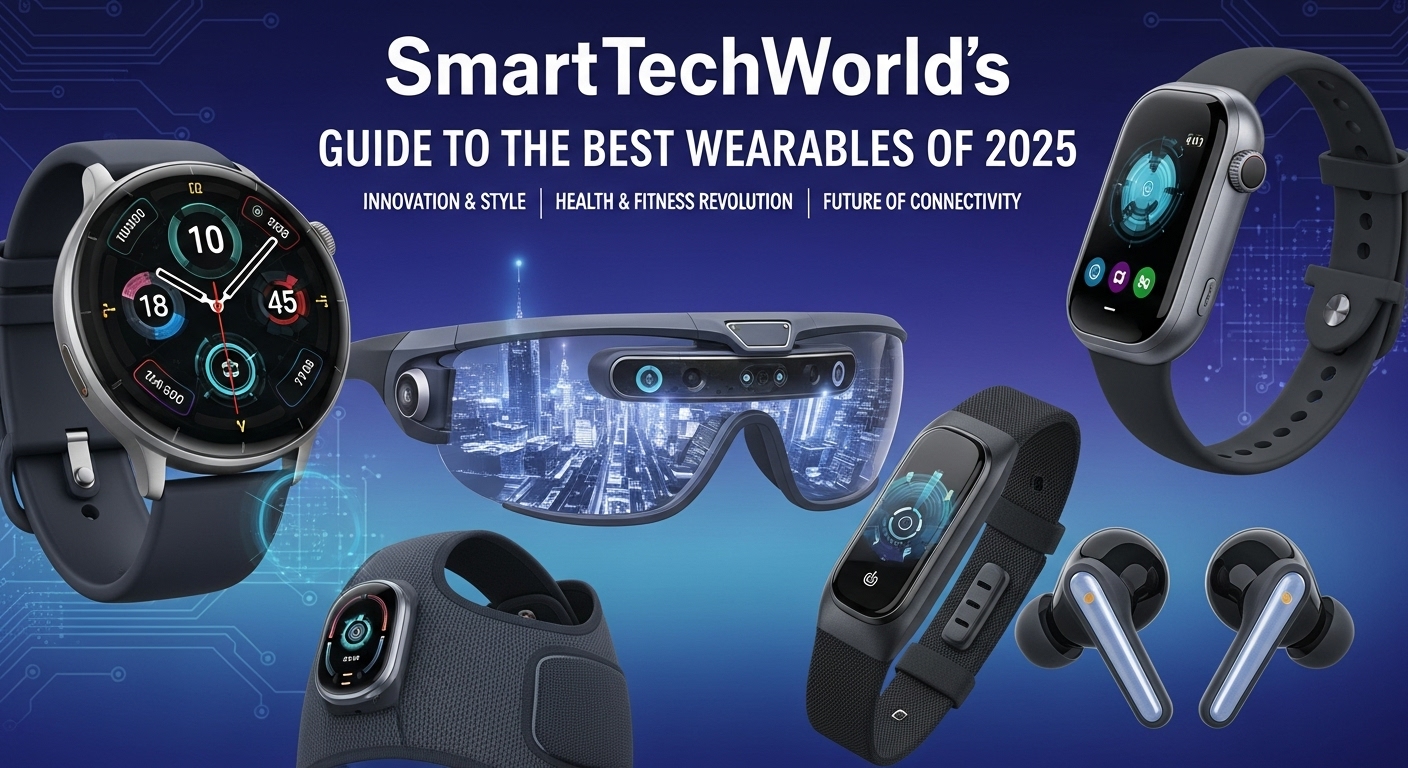
The Internet of Things (IoT) refers to the network of physical devices connected to the internet, capable of collecting and exchanging data. These devices range from smart home appliances and wearable fitness trackers to industrial sensors and autonomous drones. IoT has revolutionized industries by improving efficiency and reducing human error. In smart cities, IoT systems manage traffic flow, monitor air quality, and optimize energy consumption. In agriculture, connected sensors help farmers monitor soil conditions and improve crop yields. As more devices become interconnected, the world moves closer to a future where everything is digitally synchronized.
Cloud Computing: The Backbone of the Digital Era
Cloud computing has changed how we store, process, and access data. Instead of relying on physical servers or personal devices, individuals and organizations can now store their data on remote servers accessible through the internet. This technology has democratized access to powerful computing resources, making it easier for startups and enterprises alike to innovate. Cloud-based platforms support everything from virtual collaboration to software development and online education. Moreover, cloud computing has paved the way for hybrid work models, allowing employees to work efficiently from anywhere in the world. Its scalability, cost-effectiveness, and flexibility make it a cornerstone of the modern technological ecosystem.
Cybersecurity: Protecting the Digital Frontier
As our dependence on technology grows, so does the risk of cyberattacks. Cybersecurity has become a critical aspect of the digital world, aiming to protect systems, networks, and data from malicious attacks. Cybercriminals use sophisticated methods to exploit vulnerabilities, leading to financial losses and privacy breaches. Therefore, organizations are investing heavily in advanced security measures such as encryption, multi-factor authentication, and threat detection systems. On an individual level, users must remain cautious about sharing personal information online. Cybersecurity awareness and education are essential to maintaining a safe and trustworthy digital environment.
The Role of Technology in Education
Technology has transformed the way we learn and teach. Traditional classrooms have evolved into digital learning environments equipped with smart boards, tablets, and online platforms. Students can now access vast amounts of information with just a few clicks, enabling self-paced and interactive learning experiences. Virtual classrooms have made education accessible to people in remote areas, breaking down barriers of geography and social status. Teachers also benefit from technology, as digital tools allow for better organization, personalized instruction, and real-time performance tracking. The fusion of technology and education has created a more inclusive and effective learning system for the modern era.
Healthcare and Technology: A Life-Saving Partnership
One of the most profound impacts of technology can be seen in the field of healthcare. Medical innovations such as telemedicine, robotic surgery, and wearable health devices have revolutionized patient care. Technology enables doctors to diagnose diseases early, monitor patients remotely, and provide treatment with greater precision. Artificial intelligence helps in drug discovery and personalized medicine, while data analytics allows hospitals to optimize resource allocation. The COVID-19 pandemic further accelerated the adoption of digital healthcare solutions, demonstrating how technology can play a vital role in saving lives and improving well-being.
Technology in Business and the Economy
The business world has undergone a massive transformation due to technology. Automation, digital marketing, and e-commerce have redefined how companies operate and connect with customers. Small businesses can now reach global audiences, and large corporations use data analytics to understand consumer behavior. Digital payment systems and blockchain technology have revolutionized finance by making transactions faster, safer, and more transparent. The economic landscape has shifted toward innovation-driven industries, with technology startups becoming major contributors to global GDP. Businesses that embrace technological change are the ones leading the future economy.
Sustainability Through Technology
As environmental concerns grow, technology is playing a key role in creating sustainable solutions. Renewable energy sources such as solar and wind power are now more efficient thanks to technological advancements. Smart grids and electric vehicles are helping reduce carbon emissions and dependence on fossil fuels. In agriculture, precision farming uses sensors and data analytics to optimize resource use and minimize waste. Technology also enables recycling innovations and waste management systems that promote a cleaner environment. By integrating sustainability with innovation, technology is guiding humanity toward a greener and more responsible future.
The Human Side of Technology
While technology has brought countless benefits, it also poses challenges that affect human behavior and relationships. Excessive screen time, social media addiction, and digital isolation are growing concerns in the modern world. As people spend more time online, maintaining a balance between virtual and real life becomes increasingly important. Technology should serve as a tool for empowerment rather than control. Mindful use of digital platforms and responsible consumption of information can help preserve mental well-being. At its best, technology enhances human connection and creativity; at its worst, it can distance us from the world around us.
The Rise of Automation and the Future of Work
Automation and robotics are changing the nature of employment across industries. Machines now perform repetitive tasks with speed and precision, leading to increased productivity but also raising fears of job loss. However, automation also creates new opportunities by generating demand for skills in programming, data analysis, and robotics maintenance. The future of work will likely focus on collaboration between humans and intelligent systems, where creativity and problem-solving remain uniquely human strengths. Education systems must adapt to prepare future generations for these evolving demands. Upskilling and lifelong learning will become essential in a technology-driven world.
Ethical Challenges in the Digital Age
As technology advances, ethical questions become increasingly significant. Issues such as data privacy, surveillance, and algorithmic bias demand thoughtful regulation and accountability. The use of artificial intelligence in decision-making must be transparent and fair to prevent discrimination. Similarly, the collection and use of personal data must respect individual rights. Governments, corporations, and citizens share the responsibility of ensuring that technology is developed and used ethically. Striking the right balance between innovation and ethics is crucial for building a trustworthy digital future.
Conclusion
Technology continues to evolve at a breathtaking pace, shaping the way we live, work, and interact. It holds the potential to solve some of the world’s greatest challenges while also presenting new dilemmas that require careful navigation. The future belongs to those who can harness technology responsibly, combining innovation with empathy and wisdom. As we move deeper into this digital renaissance, it is clear that technology is not just changing the world—it is redefining what it means to be human. By embracing progress while preserving our values, we can ensure that the digital age becomes an era of enlightenment, equality, and endless possibility.