
Introduction The Age We Live In Without Noticing It
Technology is no longer a distant concept that lives inside laboratories or corporate offices. It has quietly embedded itself into daily routines, shaping how people think, communicate, work, learn, and even rest. Unlike earlier technological revolutions that announced themselves with dramatic machines and visible disruption, the current era advances silently. Software updates happen overnight, algorithms make decisions in milliseconds, and data flows constantly without demanding attention. This invisible presence makes modern technology more powerful than ever before. Understanding how it influences human life is essential, not just for professionals but for anyone living in this connected world.
From Tools to Companions The Evolution of Technology
In the past, technology was designed primarily as a tool. Early machines helped humans lift heavier objects, calculate faster, or travel farther. Today, technology behaves more like a companion. Smartphones suggest actions, applications anticipate needs, and digital assistants respond with human-like language. This evolution reflects a shift from reactive machines to adaptive systems. Technology no longer waits for commands; it observes patterns and responds proactively. This change has altered human expectations, making speed, personalization, and convenience a standard rather than a luxury.
Artificial Intelligence and the New Definition of Intelligence
Artificial intelligence has moved beyond science fiction into practical reality. It now plays a role in healthcare diagnostics, financial predictions, creative writing, and customer service. What makes modern AI remarkable is not just its ability to process data but its capacity to learn from it. This challenges traditional definitions of intelligence. Human intelligence was once considered unique because of creativity and reasoning. Now, machines demonstrate forms of both, raising questions about collaboration rather than competition. The future is not about humans versus machines but about how human judgment and machine precision can work together.
The Digital Workplace Redefining Careers and Skills
Work culture has undergone a dramatic transformation due to technology. Remote work, virtual collaboration, and cloud-based systems have removed geographical limitations. Skills that were once optional are now essential. Digital literacy, adaptability, and continuous learning define professional success. Traditional job roles are evolving, and entirely new careers are emerging. Technology has also changed how productivity is measured, shifting focus from hours spent to outcomes achieved. This transformation empowers individuals but also demands responsibility to stay relevant in a rapidly changing environment.
Education Beyond Classrooms and Borders
Technology has reimagined education as a lifelong process rather than a phase of early life. Learning is no longer confined to classrooms or academic institutions. Digital platforms allow access to knowledge from anywhere at any time. Interactive tools, virtual simulations, and personalized learning paths have made education more engaging and inclusive. However, this shift also highlights the importance of self-discipline and critical thinking. With vast information available, the ability to evaluate and apply knowledge becomes more important than memorization.
Data The New Currency of the Digital Era
Data drives modern technology. Every interaction, search, and digital action generates information. This data helps improve services, personalize experiences, and predict trends. At the same time, it raises concerns about privacy and ownership. The value of data lies not only in its quantity but in how responsibly it is used. Transparency, ethical practices, and user awareness are crucial to maintaining trust. As data continues to shape decisions at individual and societal levels, managing it wisely becomes a shared responsibility.
Technology and Human Connection A Complex Relationship
One of the most debated aspects of technology is its impact on human relationships. On one hand, it connects people across continents instantly. On the other hand, it can reduce face-to-face interactions. The truth lies in how technology is used. Digital tools can strengthen relationships when they support communication and understanding. They can also create distance when they replace genuine interaction. The challenge is not to reject technology but to integrate it consciously into social life without losing emotional depth.
Smart Living and the Rise of Connected Environments
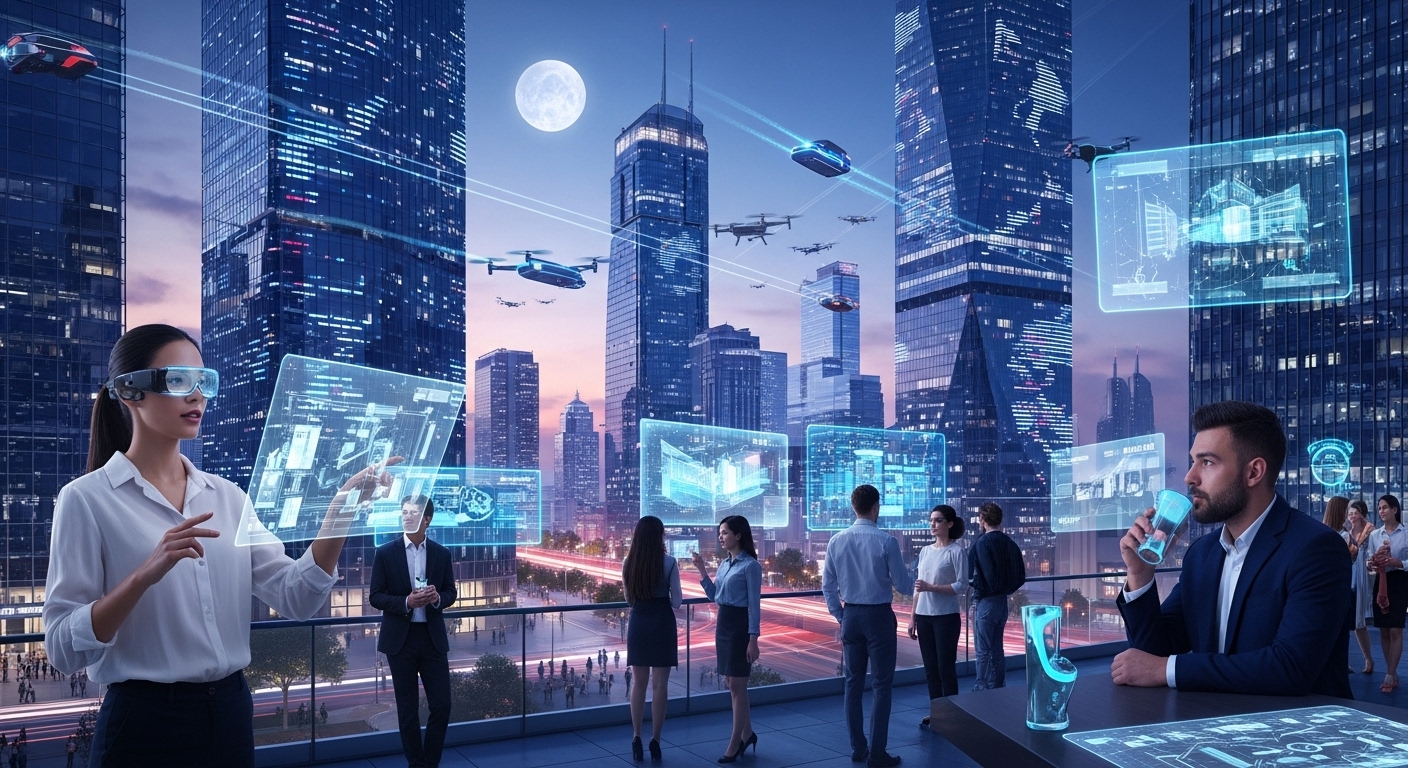
Homes, cities, and infrastructure are becoming smarter through connected devices. From energy-efficient systems to intelligent transportation, technology aims to improve quality of life. These innovations optimize resources, reduce waste, and enhance safety. Smart environments respond to human behavior, creating spaces that adapt rather than remain static. However, this convenience also requires robust security measures to protect systems from misuse. Smart living succeeds when innovation is balanced with reliability and trust.
Ethics and Responsibility in Technological Growth
As technology grows more powerful, ethical considerations become more important. Decisions made by algorithms can influence hiring, healthcare, and justice. Bias in data can lead to unfair outcomes, making accountability essential. Developers, organizations, and users all play a role in ensuring responsible use. Ethics should not be an afterthought but a foundation of technological development. A future built on trust and fairness depends on values being embedded into systems from the beginning.
Innovation and Sustainability Shaping the Future
Technology holds great potential to address global challenges such as climate change, resource scarcity, and healthcare access. Sustainable innovation focuses on long-term impact rather than short-term gains. Energy-efficient systems, digital optimization, and intelligent planning can reduce environmental footprints. The future of technology is not just about doing more but about doing better. Aligning innovation with sustainability ensures progress that benefits both humanity and the planet.
The Human Role in a Technological World
Despite rapid advancement, technology remains a creation of human imagination. It reflects human priorities, values, and limitations. The most successful technologies are those that enhance human potential rather than replace it. Creativity, empathy, and ethical judgment remain uniquely human strengths. Technology serves best when it supports these qualities instead of overshadowing them. Humans are not becoming irrelevant; they are becoming more important as guides and decision-makers.
Conclusion Embracing the Invisible Engine
Technology is the invisible engine driving modern life. Its influence is subtle yet profound, shaping the present and defining the future. Rather than fearing change, understanding technology allows people to use it wisely and purposefully. The goal is not to keep up with every innovation but to engage with technology in a way that aligns with human values. When approached thoughtfully, technology becomes more than a tool. It becomes a partner in building a smarter, fairer, and more meaningful world.