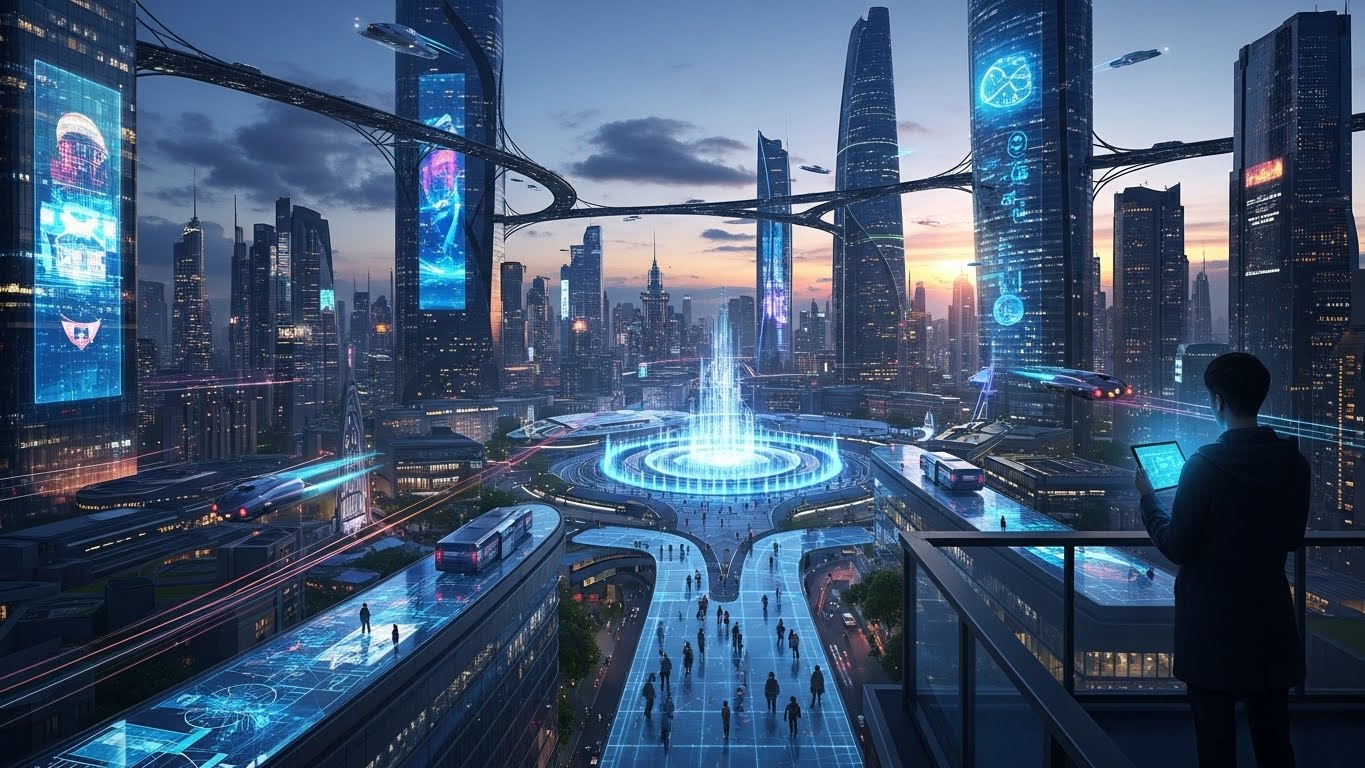
Introduction: The Age of Innovation
Technology has become the backbone of the modern world. From communication and transportation to healthcare and entertainment, technological advancements are transforming every aspect of human life. What began as simple tools and machines has evolved into a complex ecosystem of digital solutions, artificial intelligence, and interconnected systems.
The rapid pace of technological change is both exciting and transformative. It enables efficiency, connectivity, and creativity in ways that were unimaginable just a few decades ago. This blog explores the impact of technology on society, economy, and daily life, examining its benefits, challenges, and future possibilities.
The Evolution of Technology
Technology has evolved from basic tools used by early humans to advanced digital systems that drive our world today. Ancient civilizations created tools, machines, and techniques that laid the foundation for industrialization and innovation. The invention of the printing press revolutionized knowledge sharing, while the industrial revolution mechanized labor and transformed economies.
The 20th century marked the digital revolution, introducing computers, the internet, and mobile communication. These advancements redefined how humans interact, work, and learn. Today, we live in an era dominated by artificial intelligence, cloud computing, and biotechnology, where technology is deeply integrated into everyday life and business.
Technology in Communication
Communication has been one of the most profoundly affected areas by technology. Smartphones, social media platforms, and instant messaging have made it possible to connect with anyone, anywhere, at any time. Video conferencing, virtual collaboration tools, and cloud-based messaging have revolutionized both personal and professional communication.
The ability to share information instantly has transformed industries, enabling global collaboration, remote work, and real-time decision-making. Technology also allows people to express themselves creatively and socially through blogs, videos, and digital art, creating a new era of human interaction.
Technology in Healthcare
Healthcare is one of the sectors most positively impacted by technology. Advanced medical devices, diagnostic tools, and electronic health records have improved the accuracy and efficiency of medical care. Telemedicine allows patients to consult doctors remotely, increasing access to healthcare in underserved areas.
Artificial intelligence is transforming medical research and patient care by analyzing large datasets to predict disease patterns, recommend treatments, and accelerate drug discovery. Robotics and minimally invasive surgical techniques enhance precision in procedures, reducing recovery times and improving outcomes. Technology is reshaping healthcare, making it more accessible, efficient, and patient-centered.
Technology in Education
Technology has revolutionized the field of education, making learning more interactive, personalized, and accessible. Online learning platforms, virtual classrooms, and digital textbooks provide students with flexible ways to gain knowledge. Gamification and interactive simulations make complex subjects more engaging and easier to understand.
Artificial intelligence and adaptive learning systems analyze student performance and suggest personalized learning paths, enhancing outcomes. Virtual reality and augmented reality offer immersive experiences, allowing students to explore subjects such as history, science, and engineering in interactive ways. Technology in education empowers learners, bridges gaps, and expands global access to knowledge.
Technology in Business and Economy
Technology drives economic growth and innovation. Businesses leverage software, data analytics, and automation to improve efficiency, reduce costs, and make informed decisions. E-commerce platforms allow companies to reach global markets, transforming traditional retail and enabling entrepreneurship on a massive scale.
Artificial intelligence, machine learning, and blockchain are transforming industries, from finance and logistics to manufacturing and supply chain management. Businesses that adopt technology gain a competitive advantage, innovate faster, and adapt more effectively to changing market conditions. Technology is no longer optional in business; it is a critical driver of success.
Technology in Entertainment
Entertainment has been dramatically reshaped by technology. Streaming services, online gaming, virtual reality, and augmented reality offer immersive experiences that were unimaginable in the past. Audiences can access movies, music, games, and live events from anywhere, at any time, creating a global digital entertainment ecosystem.
Artificial intelligence is also enhancing content creation, enabling personalized recommendations, automated editing, and realistic computer-generated visuals. Social media platforms allow creators to reach millions of people instantly, transforming the entertainment industry and empowering independent artists. Technology has made entertainment more interactive, personalized, and boundaryless.
The Impact of Artificial Intelligence
Artificial intelligence is arguably the most transformative technology of the modern era. AI systems analyze massive amounts of data to make predictions, automate tasks, and improve decision-making. Industries such as healthcare, finance, transportation, and education are increasingly relying on AI to enhance efficiency and innovation.
AI-powered personal assistants, smart devices, and recommendation engines are changing how we live, work, and consume information. While AI offers tremendous opportunities, it also raises ethical concerns, including privacy, bias, and job displacement. Responsible development and regulation are critical to ensuring that AI benefits society without unintended consequences.
Technology and Environmental Sustainability
Technology is playing a vital role in addressing environmental challenges. Renewable energy solutions, smart grids, and energy-efficient devices reduce carbon footprints and promote sustainable living. Advanced sensors, monitoring systems, and data analytics help track environmental changes, detect pollution, and manage natural resources more effectively.
Electric vehicles, automated public transport, and sustainable construction technologies are reshaping urban landscapes and reducing environmental impact. While technology contributes to sustainability, it is essential to balance innovation with ecological responsibility to preserve the planet for future generations.
Challenges and Risks of Technology
Despite its numerous benefits, technology presents challenges and risks. Cybersecurity threats, including hacking, data breaches, and identity theft, put individuals and organizations at risk. Overreliance on technology can lead to reduced critical thinking, social isolation, and mental health concerns.
Ethical concerns surrounding AI, privacy, surveillance, and digital rights require careful consideration and regulation. Additionally, rapid technological advancement can create inequalities, as access to cutting-edge tools and education is not evenly distributed. Addressing these challenges is essential for ensuring that technology serves humanity positively and equitably.
The Future of Technology
The future of technology promises further innovation, integration, and transformation. Emerging fields such as quantum computing, biotechnology, and brain-computer interfaces hold the potential to redefine industries and human capabilities. The Internet of Things will create increasingly connected environments, while automation and AI will continue to enhance productivity and efficiency.
Education, healthcare, and business will become more data-driven and personalized, while digital experiences in entertainment, travel, and communication will become increasingly immersive. Ethical and sustainable innovation will shape how technology evolves, ensuring that it benefits society while mitigating risks.
Conclusion: Technology as a Force for Progress
Technology is no longer merely a tool; it is a defining element of the modern world. It transforms how we communicate, learn, work, and entertain ourselves, creating opportunities that were once unimaginable. While challenges exist, the potential for technology to improve lives, drive economic growth, and address global problems is enormous.
The evolution of technology is ongoing, shaping human experience and societal structures in profound ways. Its power lies not only in innovation but also in its ability to connect people, empower individuals, and expand human potential. Responsible and inclusive use of technology will ensure that it continues to be a force for progress, shaping a better and more connected world for generations to come.