
Introduction
We are living in an era where technology is no longer just a tool—it is the foundation of modern life. From the way we communicate to how we learn, travel, and work, technology has become deeply woven into the human experience. The world today operates on innovation, automation, and connectivity. Every new development, whether in artificial intelligence, robotics, or digital communication, shapes the way we think and live. This constant transformation can be described as a digital renaissance—a rebirth of human creativity, powered by machines and data.
The Evolution of Technology
The evolution of technology has been a journey of human ingenuity. From the invention of the wheel to the rise of the internet, every step has led to greater convenience and progress. In the last two decades, technological advancement has accelerated at an unprecedented rate. What once took centuries now evolves within years or even months.
Today, smartphones hold more computing power than the machines that once sent astronauts to space. Communication has become instantaneous, and access to information has never been easier. As technology continues to evolve, it redefines industries, economies, and lifestyles. The digital revolution has reached every corner of the world, creating a global society connected through data and innovation.
Artificial Intelligence: The Mind of Modern Machines
Artificial Intelligence, or AI, is perhaps the most transformative technology of our time. It enables machines to perform tasks that once required human intelligence—understanding language, recognizing patterns, and making decisions. AI has quietly integrated into our daily routines. It powers search engines, personal assistants, navigation systems, and even entertainment platforms.
In industries, AI is driving efficiency and accuracy. In healthcare, it helps detect diseases earlier and predicts treatment outcomes. In finance, it analyzes market trends and prevents fraudulent activity. In education, it personalizes learning experiences to suit individual needs. The potential of AI is limitless, but it also raises ethical questions about privacy, employment, and decision-making.
The future of AI will depend on balance. The goal is not to replace humans but to enhance our capabilities. When used responsibly, AI can become humanity’s greatest ally in solving global challenges and improving lives.
The Internet of Things: A Connected Ecosystem
The Internet of Things, often called IoT, is transforming ordinary objects into smart, connected devices. Every sensor, gadget, and appliance that communicates through the internet contributes to an ecosystem of convenience and intelligence.
In a smart home, IoT devices adjust lighting, temperature, and security automatically. In agriculture, IoT sensors help farmers monitor soil moisture and crop health. In cities, connected systems manage traffic flow, energy use, and waste collection. The power of IoT lies in its ability to collect data and use it to make real-time decisions.
However, as billions of devices connect to the internet, the risk of data breaches grows. Protecting user information and ensuring privacy is one of the biggest challenges facing the IoT industry. Despite this, the promise of a connected world remains strong—a future where everything from homes to entire cities works in perfect harmony.
Cloud Computing: The New Digital Infrastructure
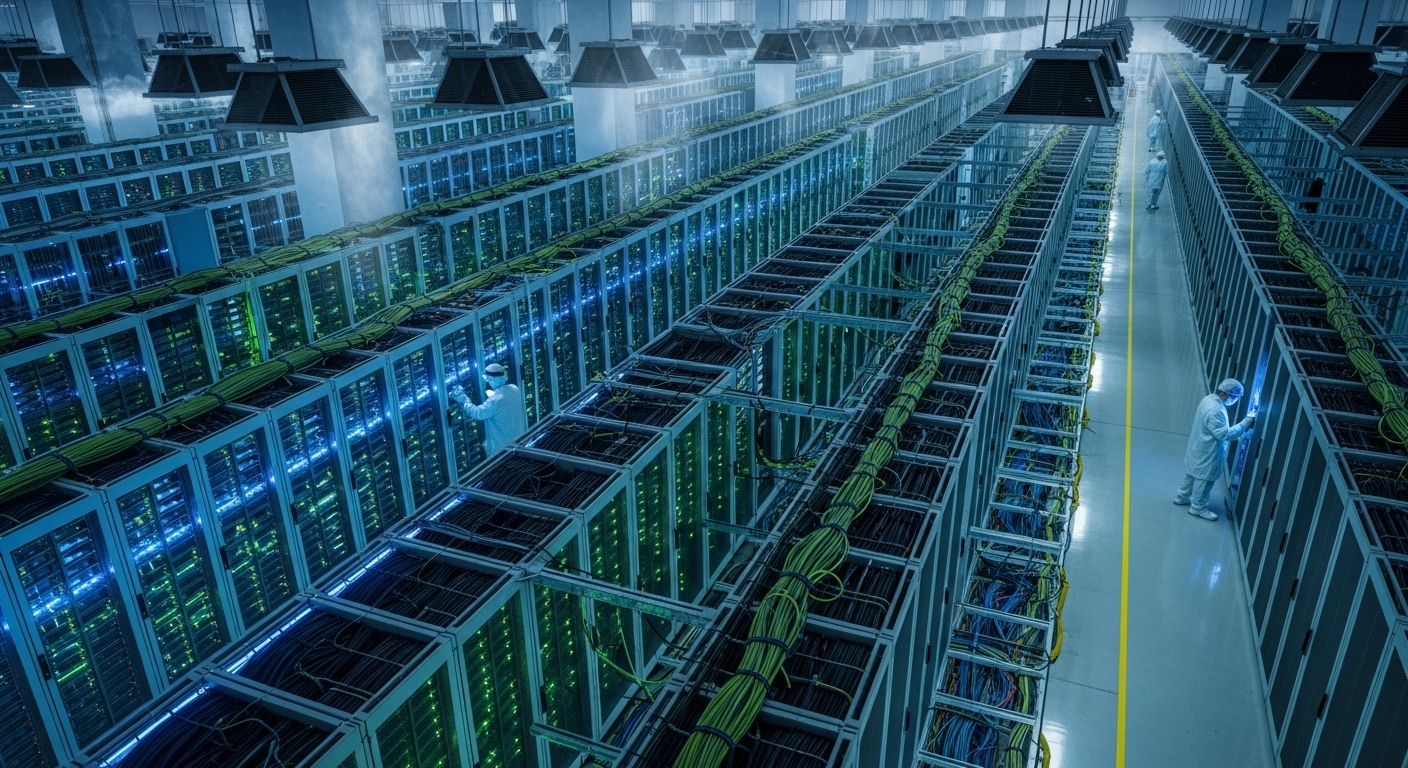
Cloud computing has redefined how data is stored and shared. It allows individuals and businesses to access vast amounts of computing power and storage through the internet. This means information can be accessed anytime, anywhere, without the need for physical hardware.
For businesses, cloud computing provides flexibility and scalability. Startups can launch global services without building their own data centers. For individuals, it means easy access to photos, documents, and applications across multiple devices. The cloud also supports advanced technologies like AI, IoT, and big data analytics by providing a powerful and flexible digital foundation.
However, as the world grows increasingly reliant on cloud services, cybersecurity becomes critical. Organizations must protect sensitive information from cyberattacks and ensure users maintain control of their data. The cloud is the invisible backbone of the modern internet age, and its importance will only continue to grow.
Quantum Computing: The Future of Processing Power
Quantum computing represents the next great leap in technology. Unlike traditional computers that process information in binary form, quantum computers use quantum bits, or qubits, which can represent multiple states at once. This allows them to perform calculations that would take classical computers thousands of years.
Quantum computing holds immense promise in fields like medicine, finance, and climate science. It could simulate complex molecules to develop new drugs, optimize global logistics systems, and even improve encryption methods. Although quantum computers are still in the early stages of development, they have the potential to revolutionize the world.
The impact of quantum computing will be profound. It will challenge our understanding of computing itself and open new possibilities that are currently beyond imagination.
Automation and the Changing World of Work
Automation is transforming the global workforce. Robots and intelligent systems are taking over repetitive and dangerous tasks, allowing humans to focus on creativity and innovation. In manufacturing, automated machines assemble products with precision. In logistics, drones and driverless vehicles deliver goods efficiently. Even in offices, automation software manages data and schedules tasks seamlessly.
While automation increases productivity, it also raises concerns about job loss and inequality. However, history has shown that technological revolutions create new opportunities as they eliminate old ones. The future of work will rely on humans and machines working together, each enhancing the other’s strengths.
To thrive in this new era, workers must adapt by learning digital skills, critical thinking, and emotional intelligence. The workplace of the future will be less about repetitive labor and more about creativity, problem-solving, and adaptability.
Sustainable Technology: Innovation for the Planet
The growing concern for the environment has given rise to green technology. Innovation is now focused not only on efficiency but also on sustainability. Green technology aims to reduce waste, save energy, and minimize humanity’s carbon footprint.
Renewable energy sources such as solar, wind, and hydropower are becoming more advanced and affordable. Electric vehicles are replacing traditional fuel-based transportation, significantly reducing emissions. Smart grids help distribute energy more efficiently, and sustainable materials are being used in manufacturing.
Technology is also helping combat climate change through data analytics and artificial intelligence, which predict environmental patterns and suggest solutions. The fusion of technology and sustainability ensures that innovation serves not just economic growth but also the planet’s well-being.
The Metaverse and Digital Reality
The idea of the metaverse has captured global imagination. It envisions a virtual universe where people can interact, work, and play in immersive 3D spaces. Using virtual reality and augmented reality, users can experience environments that blend the digital and physical worlds seamlessly.
The metaverse extends beyond gaming and entertainment. It is being explored for education, remote work, social interaction, and even healthcare. Architects can design virtual buildings, educators can teach students in immersive classrooms, and companies can host global conferences without geographical limitations.
However, as digital identities become more complex, issues of privacy, security, and digital ownership arise. The metaverse represents the next phase of the internet—one that has the potential to redefine how humans experience reality.
Cybersecurity: Protecting the Digital Frontier
As technology grows, so do threats. Cybersecurity has become essential in safeguarding digital systems and personal data. With the increase in online activities, cyberattacks have become more sophisticated, targeting everything from financial systems to private communications.
Governments and organizations are investing heavily in cybersecurity measures such as encryption, multi-factor authentication, and AI-based threat detection. Individuals also play a vital role by practicing safe online habits and staying alert to potential scams.
Cybersecurity is not just a technical necessity—it is the foundation of trust in the digital world. Without it, the progress achieved through innovation could be undone by vulnerabilities.
Ethical Innovation and Human Values
Technology may advance rapidly, but its success depends on how ethically it is used. The power to create intelligent machines, manipulate data, or build virtual realities must come with responsibility. Ethical innovation ensures that technology respects privacy, fairness, and human dignity.
As artificial intelligence and automation evolve, so must the laws and moral frameworks that guide them. Developers and policymakers need to ensure transparency and accountability in how technology affects people’s lives. True progress means creating systems that serve humanity, not control it.
Ethics will be the compass that directs the future of technology. Without it, even the most remarkable inventions could harm rather than help society.
Conclusion
Technology is not just changing the world—it is redefining what it means to be human. Every innovation, from artificial intelligence to the metaverse, brings both opportunity and responsibility. The digital renaissance is more than a revolution in tools and machines; it is a transformation of human potential.
The coming years will challenge us to use technology wisely—to create a balance between progress and preservation, intelligence and ethics, convenience and security. The real power of technology lies not in what it can do, but in how it can make life better for everyone.
As humanity stands at the edge of this new digital frontier, one truth remains clear: technology will continue to evolve, but it is up to us to ensure that its evolution uplifts the world, unites societies, and strengthens the very essence of what makes us human.