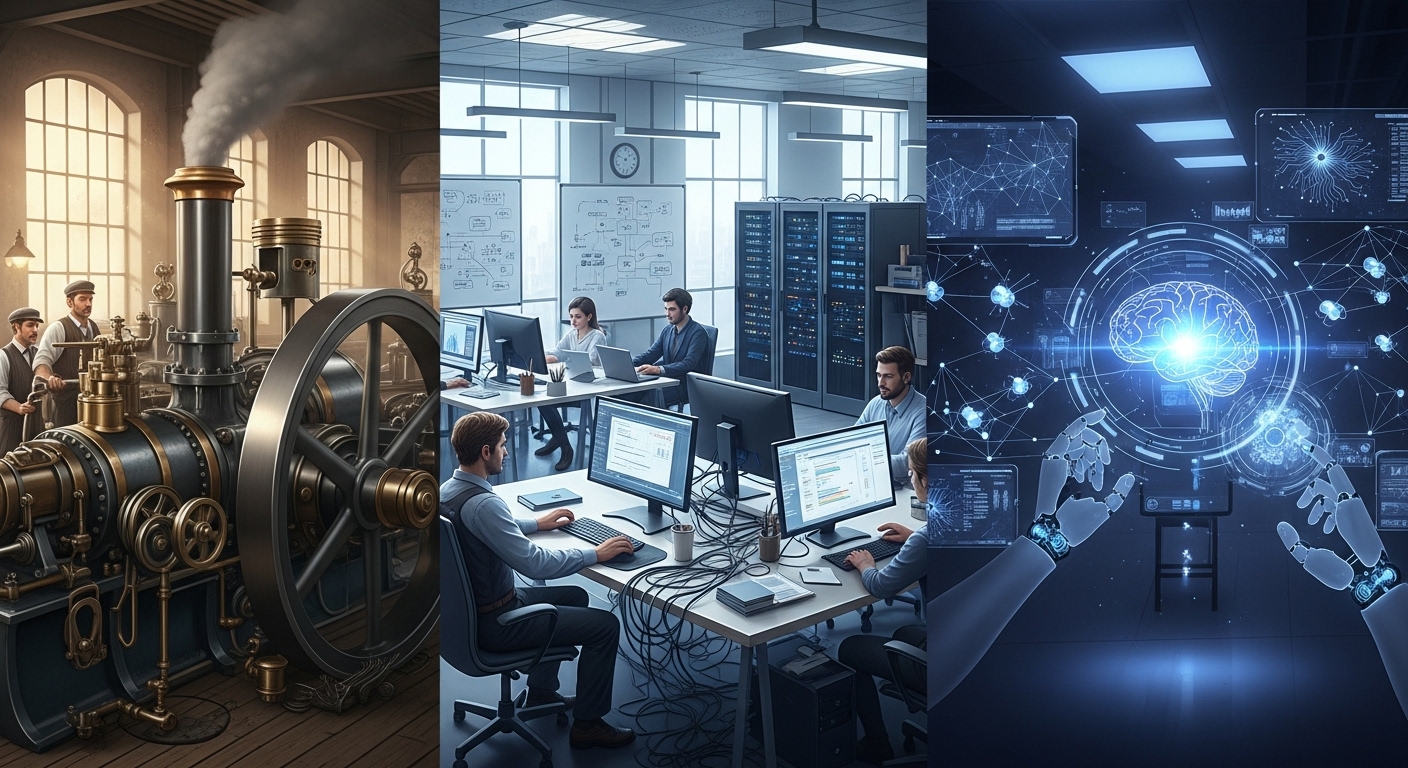
Technology has always been a cornerstone of human progress, shaping the way societies function, communicate, and grow. From the invention of the wheel to the rise of artificial intelligence, technological innovation has been a constant driver of human evolution. In today’s world, the pace of technological development is unprecedented. Advancements in computing power, digital communication, and automation have transformed nearly every aspect of life. In this blog post, we will explore the major areas of technology, the impact on society, emerging trends, and the challenges that come with a rapidly changing digital landscape.
The Foundation of Modern Computing
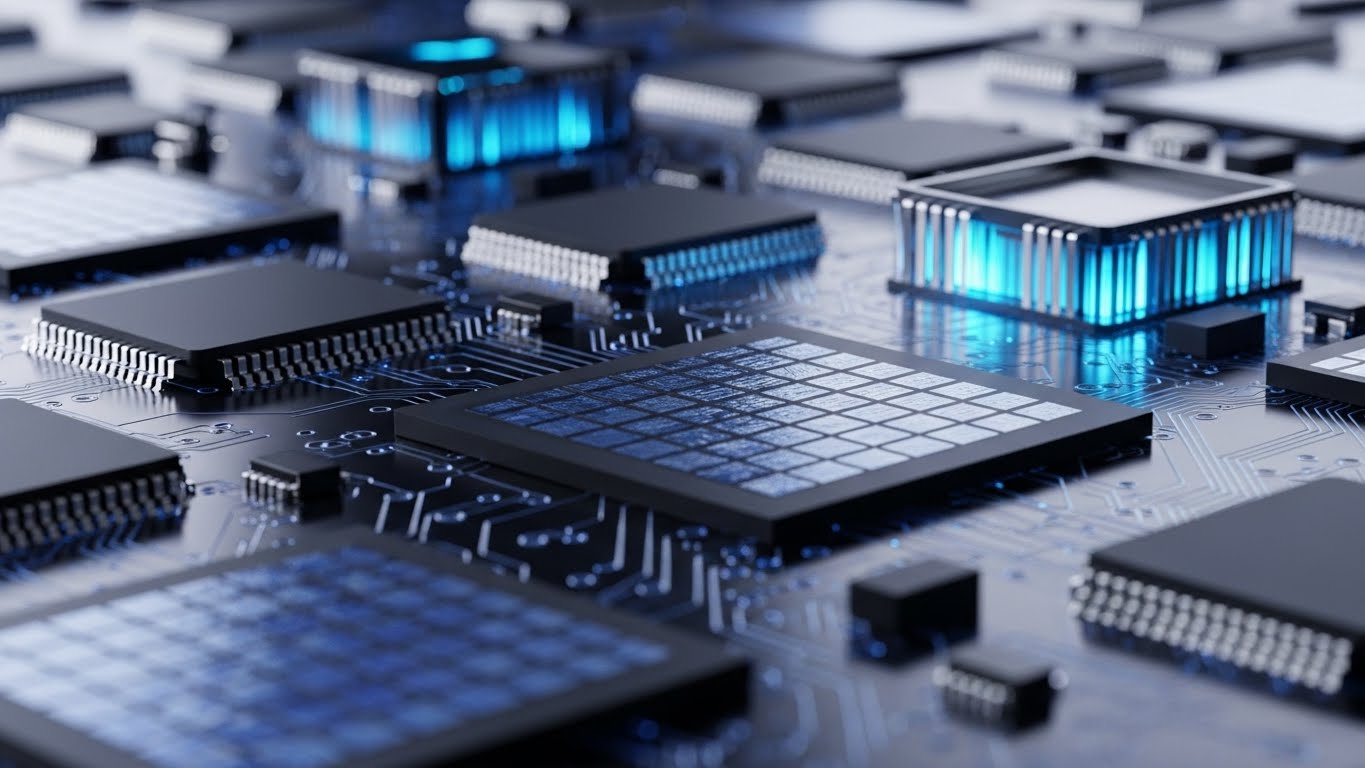
Modern computing forms the backbone of most technological advancements. Early computers, developed in the mid-20th century, were massive machines that occupied entire rooms and could perform only basic calculations. Over time, the invention of microprocessors, personal computers, and later, laptops and mobile devices, made computing accessible to the general public.
Today, computing power is more sophisticated than ever. Quantum computing, a field still in its nascent stages, promises to revolutionize problem-solving by enabling calculations far beyond the capacity of classical computers. Cloud computing has further changed the landscape, allowing businesses and individuals to store, process, and access data remotely. This shift from local to cloud-based computing has facilitated the rapid growth of data-driven industries, enabling everything from personalized recommendations to complex scientific simulations.
Artificial Intelligence and Machine Learning
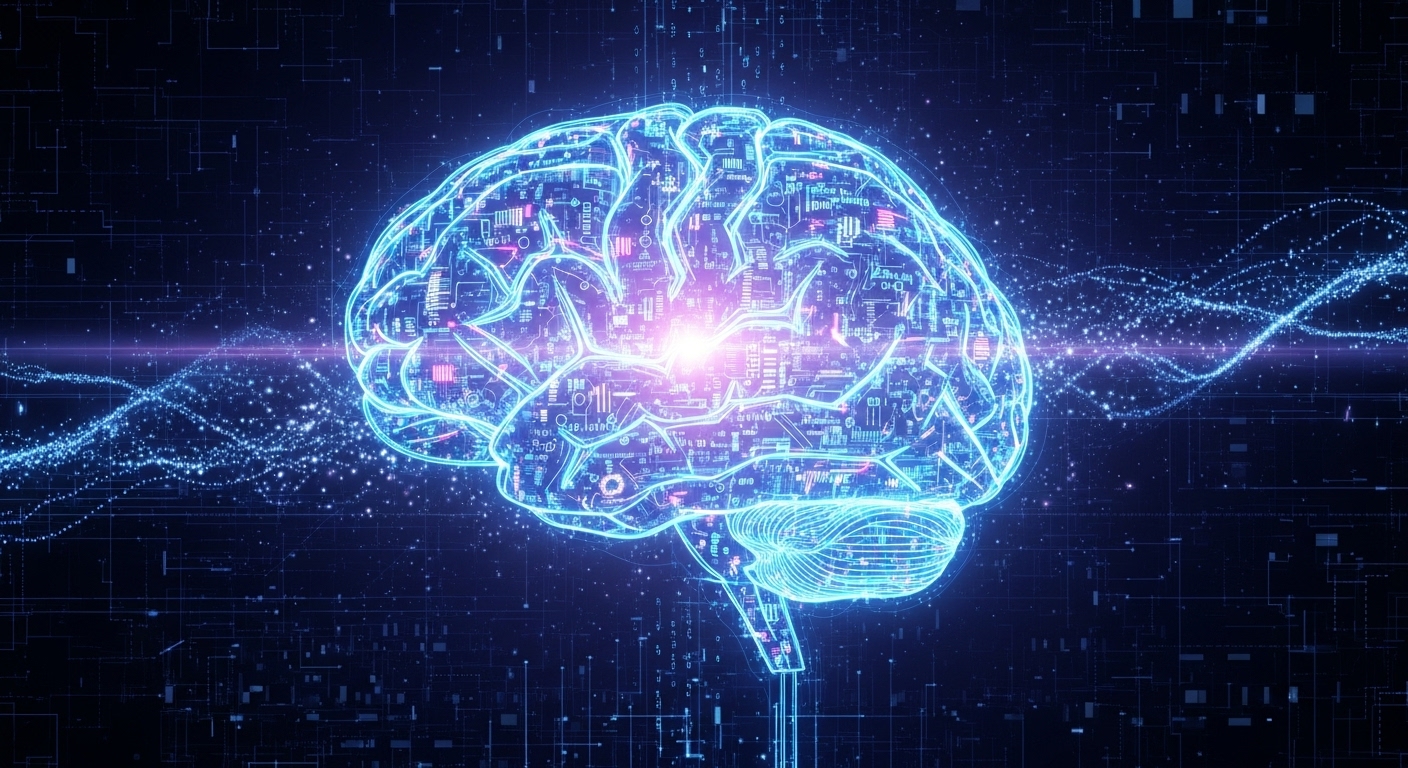
Artificial intelligence (AI) has emerged as one of the most transformative technological trends of the 21st century. AI refers to the ability of machines to simulate human intelligence, including learning, reasoning, and problem-solving. Machine learning, a subset of AI, allows systems to improve their performance over time based on data input and experience.
Applications of AI are vast and growing. In healthcare, AI algorithms analyze medical images to detect early signs of disease. In finance, AI predicts market trends and detects fraudulent activity. Autonomous vehicles rely on AI to navigate safely, while virtual assistants like smart speakers streamline everyday tasks.
Despite its promise, AI also presents challenges. Ethical considerations, such as bias in AI algorithms and the potential loss of jobs due to automation, are ongoing concerns. Ensuring transparency, fairness, and accountability in AI systems is crucial to prevent negative societal impacts.
The Rise of the Internet of Things
The Internet of Things (IoT) represents a shift towards a connected world, where everyday devices communicate and exchange data. IoT devices range from smart home appliances, such as thermostats and refrigerators, to industrial sensors that monitor machinery. By connecting these devices, IoT enables automation, improved efficiency, and enhanced user experiences.
For example, smart cities use IoT technology to optimize traffic flow, monitor environmental conditions, and improve public services. In agriculture, IoT sensors track soil moisture and weather patterns, enabling precision farming and resource conservation. The potential applications of IoT are virtually limitless, but they also raise concerns regarding privacy and cybersecurity, as interconnected devices become targets for hackers.
Cloud Computing and Data Management
The explosion of data in the digital age has made effective data management essential. Cloud computing has transformed the way organizations store, process, and analyze information. Instead of relying on local servers, companies can access scalable computing resources through cloud providers. This allows businesses to reduce costs, increase flexibility, and innovate faster.
Data analytics, powered by cloud computing, enables organizations to gain insights from massive datasets. Predictive analytics, for instance, helps companies forecast customer behavior, optimize supply chains, and make data-driven decisions. Big data technologies, including distributed storage and processing frameworks, allow for real-time analysis of enormous volumes of information.
However, reliance on cloud infrastructure introduces risks such as data breaches, system outages, and regulatory compliance challenges. Organizations must implement robust security measures and ensure adherence to data protection standards to mitigate these risks.
Cybersecurity in the Digital Age
As technology becomes more integrated into daily life, cybersecurity has emerged as a critical concern. Cyber threats range from malware and ransomware to phishing attacks and state-sponsored cyber espionage. The increasing sophistication of these attacks requires advanced security measures to protect sensitive data and digital assets.
Cybersecurity strategies include firewalls, encryption, multi-factor authentication, and intrusion detection systems. Organizations also invest in threat intelligence and cybersecurity training to proactively address potential vulnerabilities. For individuals, safe online practices, such as using strong passwords and regularly updating software, are essential for digital safety.
The rise of AI and IoT has further complicated the cybersecurity landscape. AI-driven attacks can bypass traditional defenses, while IoT devices with weak security can serve as entry points for cybercriminals. Therefore, continuous innovation in cybersecurity is vital to keep pace with evolving threats.
The Transformation of Communication
Technology has revolutionized communication, shrinking the world and making real-time interaction possible across continents. The internet, social media platforms, and instant messaging applications have transformed personal and professional communication. Video conferencing tools enable virtual meetings, reducing the need for physical presence and supporting remote work.
The rise of 5G networks promises even faster and more reliable communication, enabling new applications such as immersive virtual reality experiences, autonomous vehicles, and smart cities. However, the digitalization of communication also raises issues related to privacy, misinformation, and online harassment, which society must address alongside technological advancements.
Automation and Robotics
Automation and robotics have transformed industries ranging from manufacturing to healthcare. Industrial robots perform repetitive tasks with precision and efficiency, while robotic process automation (RPA) streamlines business operations by handling routine administrative tasks.
In healthcare, surgical robots assist surgeons in complex procedures, improving accuracy and reducing recovery times. Drones and autonomous vehicles have applications in logistics, delivery, and transportation, offering increased efficiency and safety. As robotics technology advances, the collaboration between humans and machines will become increasingly seamless, creating opportunities for innovation while also reshaping labor markets.
Emerging Technologies and Future Trends
Several emerging technologies are poised to shape the future of society. Blockchain, for instance, offers decentralized and secure systems for financial transactions, supply chain management, and data storage. Augmented reality (AR) and virtual reality (VR) create immersive experiences for gaming, education, and training.
Quantum computing, while still experimental, promises to solve problems beyond the capabilities of classical computers. Biotechnology and genetic engineering are revolutionizing medicine, agriculture, and environmental conservation. These technologies have the potential to address global challenges, but they also require careful regulation and ethical considerations to ensure their responsible use.
Technology and Society
The impact of technology extends beyond technical innovation, affecting culture, economy, and daily life. Digital tools have democratized access to information, education, and entertainment, empowering individuals and communities. Technology has also transformed industries, enabling new business models, global trade, and economic growth.
However, rapid technological change can exacerbate social inequalities. Access to technology remains uneven, with digital divides affecting education, employment, and healthcare. Additionally, the proliferation of data and surveillance technologies raises concerns about privacy, civil liberties, and personal freedom. Society must balance the benefits of technology with its potential risks to create a more equitable and sustainable future.
Ethical and Regulatory Considerations
As technology evolves, ethical and regulatory frameworks struggle to keep pace. AI ethics, data privacy, cybersecurity, and digital rights are critical areas requiring thoughtful policies. Governments, industry leaders, and researchers must collaborate to establish standards that protect individuals and society while fostering innovation.
Transparency in AI algorithms, responsible data handling, and equitable access to technology are key principles. Regulation must also address emerging threats, such as deepfake technology, cybercrime, and the misuse of autonomous systems. By proactively addressing ethical and regulatory challenges, society can harness the full potential of technology while minimizing harm.
Education and Workforce Transformation
Technology is reshaping education and the workforce. Online learning platforms, digital classrooms, and AI tutors make education more accessible and personalized. Students can learn at their own pace, explore diverse subjects, and develop digital skills essential for the modern economy.
In the workforce, automation and AI are transforming job roles, creating demand for new skills. Technical proficiency, problem-solving abilities, and adaptability are increasingly important. Lifelong learning and reskilling programs are essential to prepare workers for evolving career landscapes and ensure economic resilience.
The Environmental Impact of Technology
While technology offers solutions to environmental challenges, it also contributes to ecological pressures. Data centers consume significant amounts of energy, electronic waste continues to grow, and resource-intensive manufacturing impacts ecosystems.
Sustainable technology practices, such as energy-efficient computing, circular economy approaches, and green innovation, are essential to mitigate these impacts. Advances in renewable energy, smart grids, and environmental monitoring leverage technology to promote sustainability and reduce carbon footprints. The integration of technology and environmental stewardship is critical for addressing global climate challenges.
Conclusion
Technology is an inseparable part of modern life, influencing the way we communicate, work, learn, and interact with the world. The evolution of computing, AI, IoT, robotics, and emerging technologies continues to shape society, offering unprecedented opportunities for progress and innovation.
However, alongside these opportunities come challenges, including ethical dilemmas, cybersecurity threats, and social inequalities. To harness technology responsibly, society must prioritize innovation alongside accountability, sustainability, and inclusivity. By understanding the impact of technology and preparing for future trends, humanity can navigate a digital world that enhances quality of life while preserving fundamental values.
The journey of technology is ongoing, and the potential for future advancements is boundless. As new innovations emerge, society must adapt, learn, and evolve to ensure that technology serves as a force for good, shaping a future that is intelligent, connected, and sustainable.