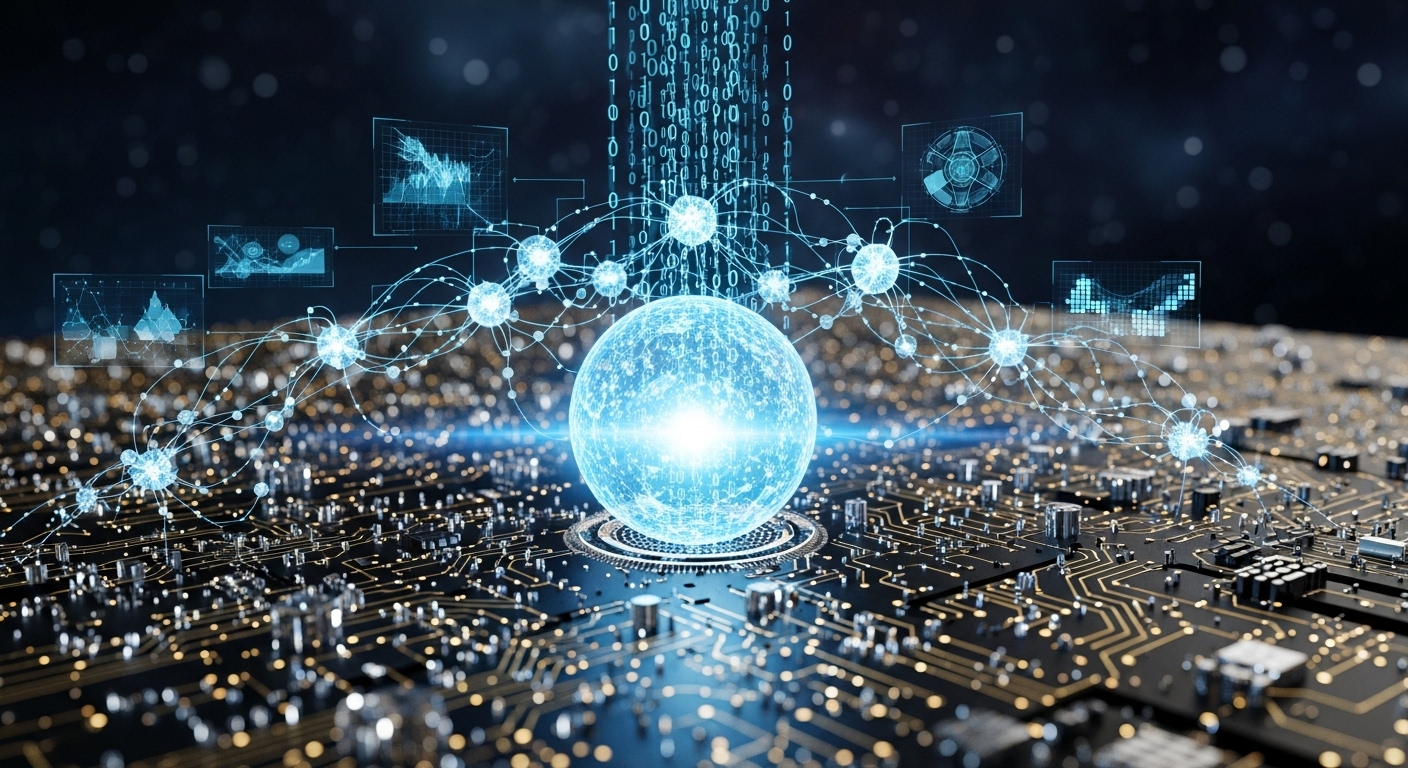
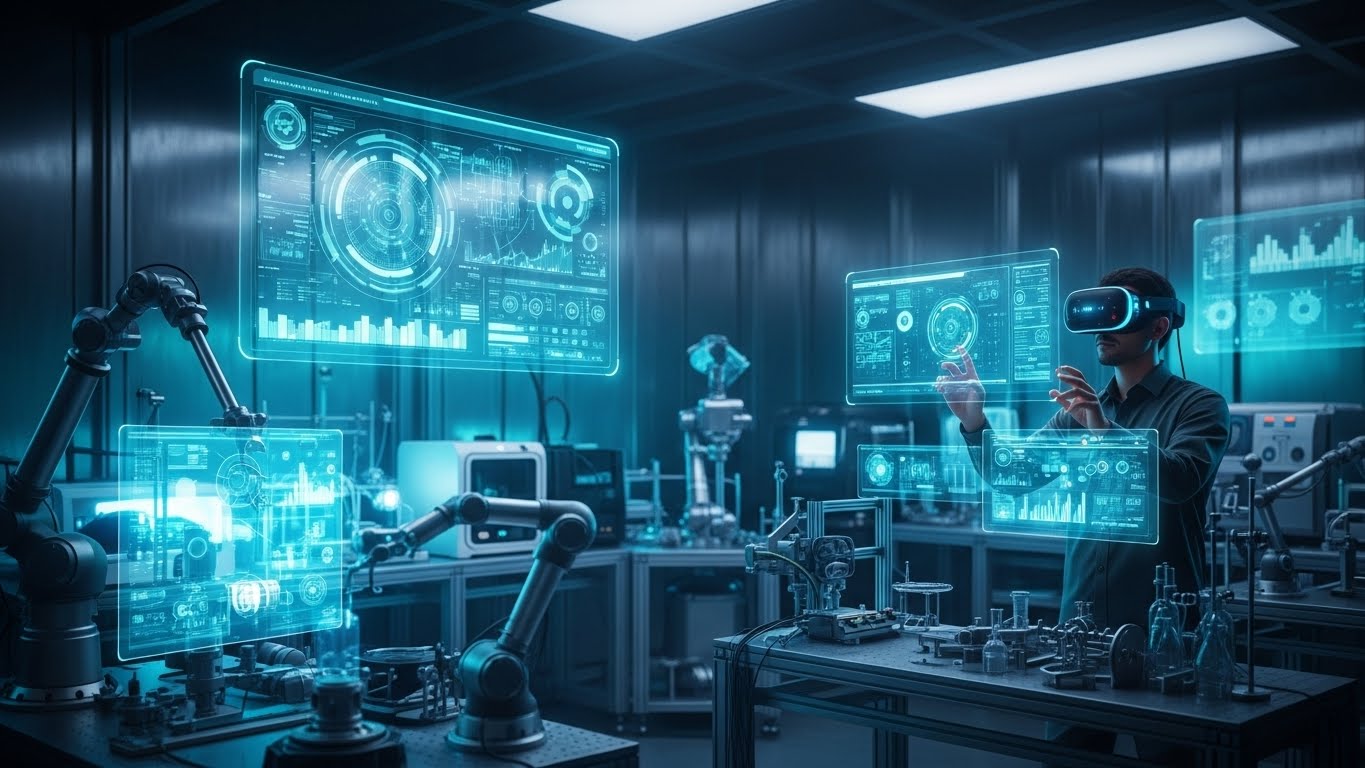
Technology is evolving at a pace that was once unimaginable. What was considered science fiction a decade ago is now a reality shaping how we live, work, and interact. From artificial intelligence to quantum computing, the tech landscape is experiencing a revolution that is affecting every aspect of society. Understanding these changes is crucial, not just for tech enthusiasts but for anyone who wants to navigate the future with confidence.
Artificial Intelligence: Transforming the Way We Think and Work
Artificial intelligence (AI) is no longer just a buzzword. It has become an integral part of industries ranging from healthcare to finance. AI algorithms can now analyze massive datasets, recognize patterns, and make predictions with unprecedented accuracy. This has led to innovations such as predictive analytics in business, automated diagnostics in medicine, and personalized learning experiences in education.
AI is also transforming the workplace. Tasks that once required human intervention, such as scheduling, customer service, and data entry, can now be handled efficiently by AI-powered systems. While this raises concerns about job displacement, it also creates opportunities for humans to focus on higher-level tasks that require creativity and emotional intelligence.
In addition, AI is advancing natural language processing, allowing machines to understand and communicate in human language. Virtual assistants, chatbots, and voice recognition systems are becoming smarter, making daily interactions smoother and more intuitive. The integration of AI into our daily lives is still in its early stages, but its potential impact is vast.
Quantum Computing: Unlocking the Power of the Unseen
Quantum computing represents a new frontier in computing technology. Unlike classical computers, which use bits to process information as 0s and 1s, quantum computers use quantum bits or qubits. These qubits can exist in multiple states simultaneously, enabling quantum computers to perform complex calculations at extraordinary speeds.
The potential applications of quantum computing are staggering. In medicine, it could accelerate drug discovery by simulating molecular interactions that are currently impossible to model. In finance, it could optimize portfolios and improve risk assessment. In cryptography, it could render traditional encryption methods obsolete, pushing the need for quantum-safe security solutions.
Despite its promise, quantum computing is still in its experimental phase. Challenges such as qubit stability, error correction, and scalability must be overcome before it can be widely adopted. However, leading tech companies and research institutions are investing heavily, signaling that quantum computing could become a cornerstone of future technology.
The Internet of Things: Connecting Everything
The Internet of Things (IoT) is transforming ordinary objects into smart devices capable of communicating with each other and with humans. From smart homes to connected vehicles, IoT is creating ecosystems where devices work together to improve efficiency, convenience, and safety.
In healthcare, wearable devices monitor vital signs in real-time, providing insights that can prevent serious health issues. In cities, smart infrastructure manages traffic, reduces energy consumption, and enhances public safety. In agriculture, sensors monitor soil conditions and crop health, optimizing yields while minimizing environmental impact.
The proliferation of IoT devices also raises concerns about data privacy and security. As more devices become connected, the potential for cyberattacks increases. Ensuring robust security protocols and responsible data management is critical for realizing the benefits of IoT without compromising user safety.
5G and the Era of Ultra-Fast Connectivity
The rollout of 5G networks marks a significant leap forward in internet connectivity. With speeds up to 100 times faster than 4G and ultra-low latency, 5G enables real-time communication, seamless streaming, and more responsive applications. This advancement is not just about faster smartphones; it has the potential to revolutionize industries and enable innovations previously thought impossible.
Autonomous vehicles, for example, rely on instantaneous data transfer to navigate safely. Telemedicine can provide high-quality remote consultations without lag, improving access to healthcare in remote areas. Smart factories can implement real-time automation and predictive maintenance, increasing productivity and reducing costs.
The adoption of 5G is accelerating globally, but infrastructure and regulatory challenges remain. The transition from legacy networks to a fully connected 5G world will require significant investment and collaboration across industries.
Virtual Reality and Augmented Reality: Blurring the Lines Between Real and Digital
Virtual reality (VR) and augmented reality (AR) are reshaping the way we experience digital content. VR immerses users in entirely virtual environments, while AR overlays digital elements onto the physical world. These technologies are revolutionizing gaming, entertainment, education, and even professional training.
In education, VR simulations provide hands-on learning experiences that are safer and more engaging than traditional methods. In healthcare, surgeons can use AR to visualize complex procedures in real-time, improving precision and outcomes. In retail, AR enables customers to try products virtually before purchasing, enhancing the shopping experience.
The potential of VR and AR extends beyond entertainment. As hardware becomes more affordable and software more sophisticated, these technologies will increasingly influence how we interact with information, environments, and each other.
Blockchain: Beyond Cryptocurrency
Blockchain technology is often associated with cryptocurrencies, but its applications extend far beyond digital money. At its core, blockchain is a decentralized ledger that ensures transparency, security, and immutability of data. This makes it ideal for industries where trust and verification are critical.
Supply chain management is one area benefiting from blockchain, as it allows companies to track products from origin to destination, ensuring authenticity and reducing fraud. In finance, blockchain enables secure and transparent transactions, reducing the need for intermediaries. In healthcare, it facilitates secure sharing of patient records while protecting privacy.
As businesses and governments explore blockchain solutions, the focus is shifting from speculation to practical applications. The technology has the potential to redefine trust and accountability in the digital age.
Sustainable Technology: Tech with a Purpose
The intersection of technology and sustainability is becoming increasingly important. As the world faces climate change and resource scarcity, tech innovations are being leveraged to reduce environmental impact and promote sustainable practices.
Renewable energy technologies, such as solar panels and wind turbines, are becoming more efficient and affordable. Energy storage solutions, smart grids, and AI-driven energy management systems help optimize consumption and reduce waste. In agriculture, precision farming and vertical farming techniques reduce water usage and land requirements.
Sustainable technology is not limited to energy and agriculture. Electric vehicles, green data centers, and eco-friendly manufacturing processes are all part of a broader movement to harness technology for the benefit of the planet. The challenge lies in balancing technological advancement with environmental responsibility.
Cybersecurity: Safeguarding the Digital World
As technology becomes more pervasive, cybersecurity has emerged as a critical concern. Cyber threats are growing in complexity and frequency, targeting individuals, businesses, and governments alike. Protecting sensitive data and maintaining trust in digital systems is essential for a functioning society.
Modern cybersecurity involves more than just firewalls and antivirus software. AI-driven threat detection, biometric authentication, and blockchain-based security solutions are increasingly used to stay ahead of attackers. Educating users about best practices, such as strong passwords and phishing awareness, remains a fundamental component of cybersecurity strategy.
The future of cybersecurity will require a proactive approach, anticipating threats and designing systems that are resilient, adaptive, and secure by design.
Conclusion: Embracing the Technological Future
Technology is no longer a distant force shaping the future—it is the present. From AI and quantum computing to IoT, 5G, and sustainable tech, innovations are transforming how we live, work, and interact. These changes bring immense opportunities but also new responsibilities. Understanding the potential and limitations of these technologies is key to leveraging them effectively and ethically.
As we move forward, embracing technology with curiosity and caution will allow us to harness its power while mitigating risks. The future of technology is not just about what is possible—it is about how we choose to use it to create a better, more connected, and sustainable world.