Introduction
Technology has become the heartbeat of modern civilization. From the moment we wake up to the second we close our eyes, technology influences our choices, shapes our experiences, and defines our connections with the world. What once was a tool for convenience has now become a force driving transformation in every sphere of human existence. We are witnessing a silent yet powerful evolution, where machines think, cities breathe, and data speaks louder than words. The world is not just changing—it is being redefined beyond the screen.
The Evolution of Technology
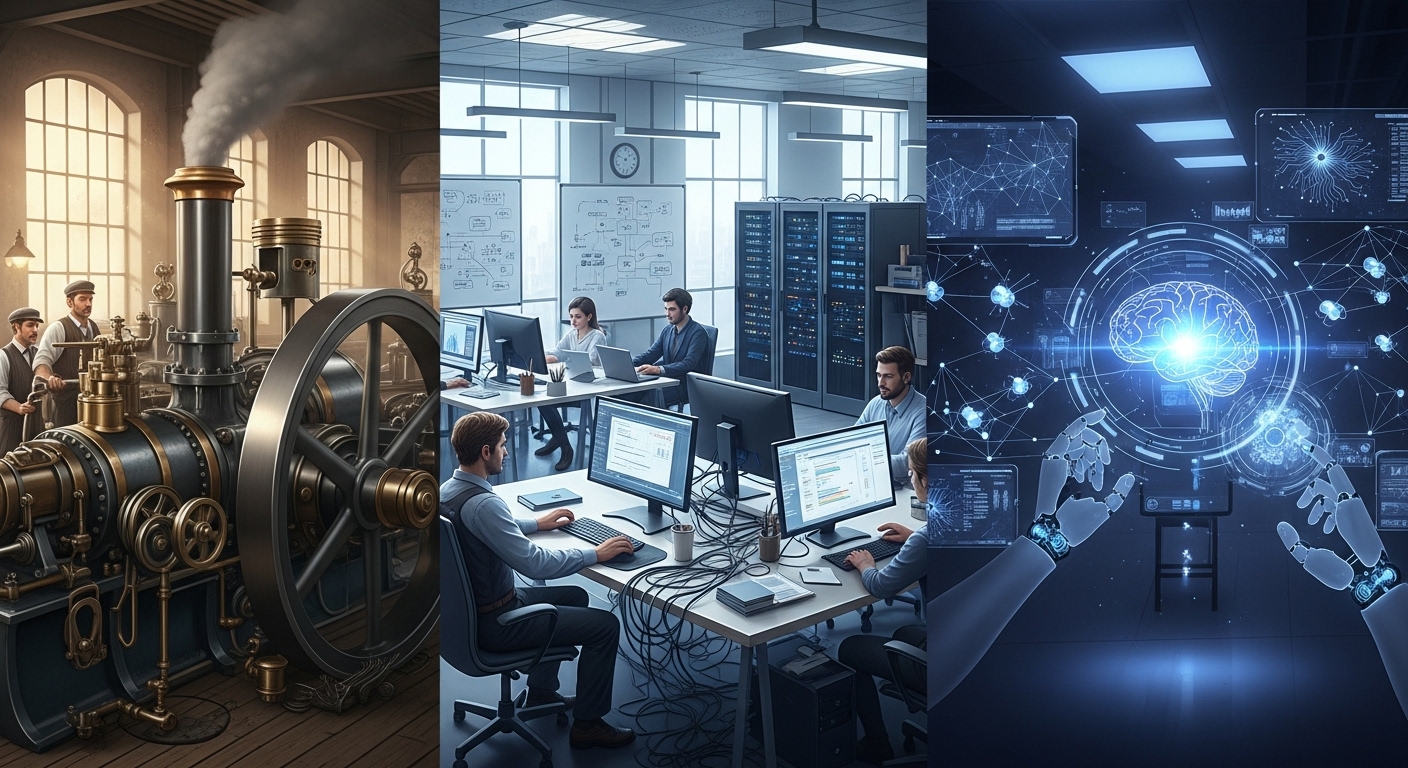
The story of technology is one of constant reinvention. The first industrial revolution introduced machinery; the second brought electricity and mass production; the third gave us computers and automation. Now, we live in the fourth industrial revolution—a time when physical, digital, and biological systems are merging. Technologies like artificial intelligence, robotics, quantum computing, and biotechnology are pushing the limits of human imagination.
Unlike past revolutions that took decades to unfold, today’s progress moves at lightning speed. Every year brings breakthroughs that alter industries and lifestyles. Smartphones that replaced cameras, music players, and calculators are now giving way to wearables and augmented reality devices. The pace of innovation is so rapid that keeping up is itself becoming a challenge.
Artificial Intelligence: The New Mind of Machines
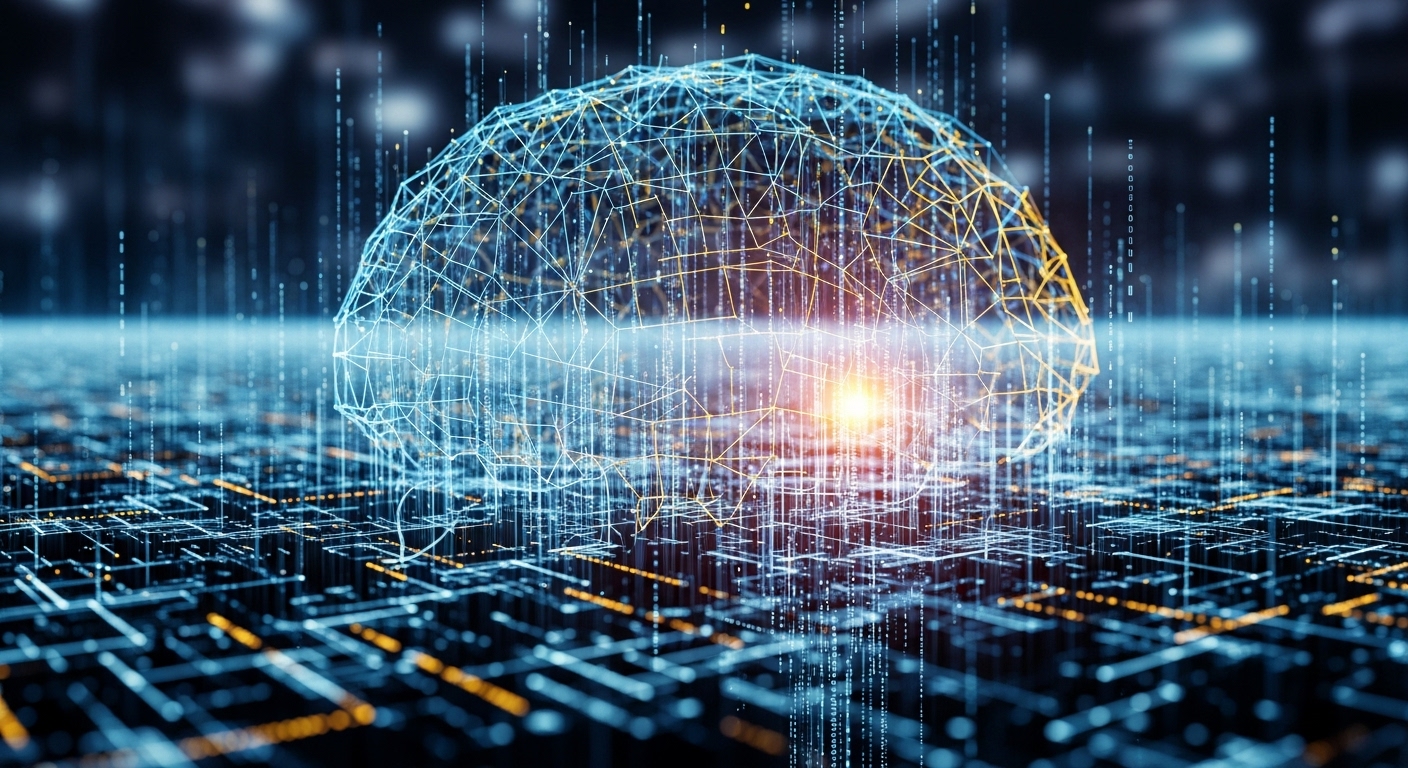
Artificial intelligence, or AI, is no longer a futuristic dream—it is an everyday reality. Whether it is virtual assistants answering questions, self-driving cars navigating streets, or AI-based tools helping doctors detect diseases, artificial intelligence has silently become an inseparable part of life.
The beauty of AI lies in its ability to learn from data and make intelligent decisions. Machine learning and deep learning algorithms enable computers to process vast amounts of information, recognize patterns, and offer predictions that humans might miss. For example, AI in education personalizes learning paths for students, while in finance it detects fraud and manages investments.
However, the rise of AI also sparks debate about its ethical implications. How much control should machines have? Can algorithms remain unbiased? These are questions humanity must answer as AI continues to evolve. The goal should not be to replace humans, but to enhance their potential—creating a world where human intelligence and artificial intelligence work hand in hand.
The Power of Connectivity: Internet of Things
The Internet of Things, or IoT, represents one of the most revolutionary ideas of our time. It connects everyday objects—phones, cars, refrigerators, thermostats—into a single digital ecosystem. Through sensors and communication networks, these devices exchange data and automate tasks without human intervention.
Imagine a world where your home adjusts its temperature based on your preferences, where your car alerts you before something breaks down, and where cities manage traffic, waste, and energy efficiently. This is not science fiction—it is the practical power of IoT.
Beyond convenience, IoT has far-reaching implications for industries and the environment. In agriculture, smart sensors monitor soil conditions and optimize irrigation, conserving water. In healthcare, wearable devices track heart rate and blood pressure, alerting doctors to early signs of illness. Smart cities use connected systems to reduce pollution, save energy, and improve transportation.
However, with greater connectivity comes greater risk. Every connected device is a potential target for cyberattacks. Therefore, security and privacy must remain at the forefront of IoT development to ensure a safe and reliable connected future.
Cloud Computing: The Backbone of the Digital Era
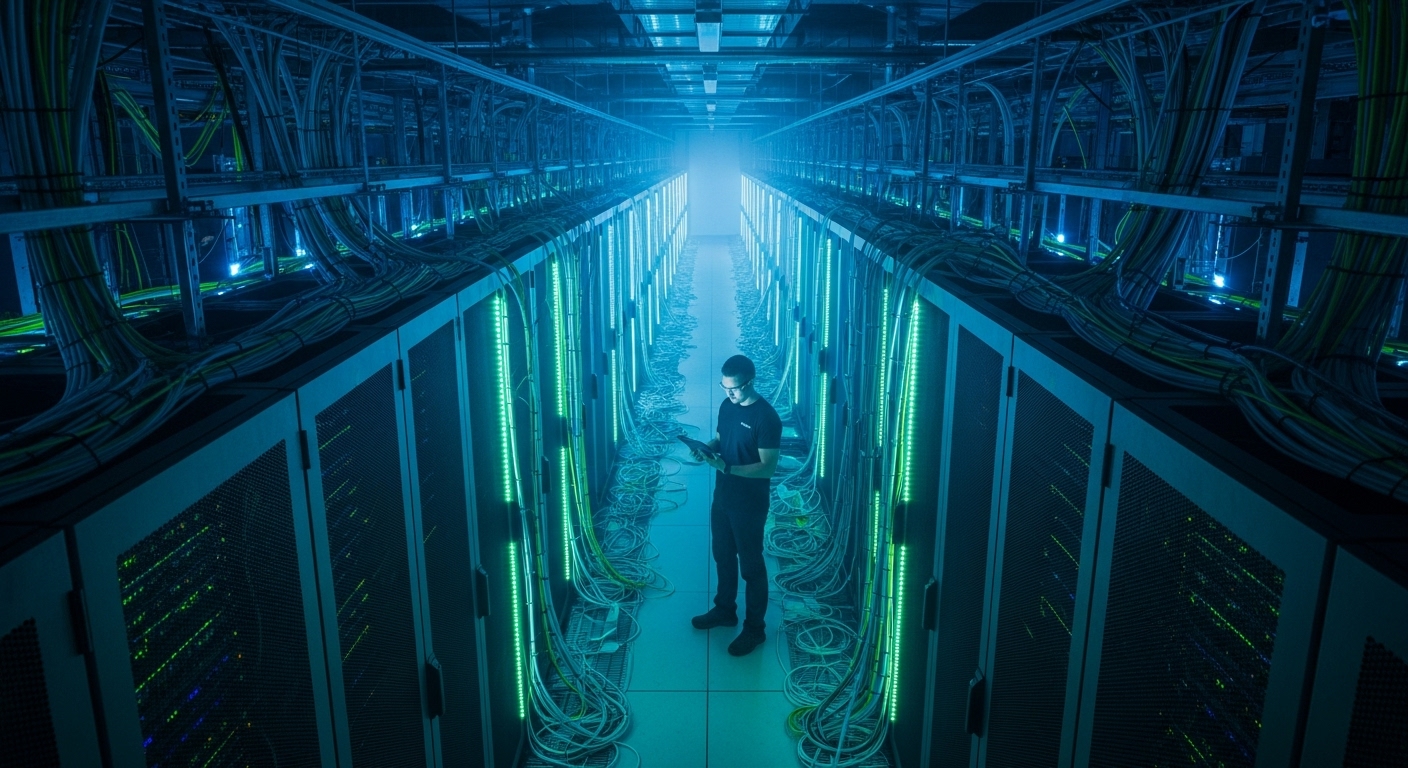
Cloud computing is the invisible infrastructure that powers much of modern life. It allows users to store, access, and process data through remote servers instead of local devices. This simple concept has transformed how businesses operate, how individuals share information, and how innovation occurs.
The cloud has made technology accessible to everyone. Small startups now have access to the same computing power as large corporations, leveling the playing field. Collaboration across continents has become effortless, with teams sharing data and working in real-time. From entertainment streaming to online education, cloud technology has become a pillar of convenience and progress.
Moreover, the cloud supports the rise of big data and artificial intelligence by providing scalable storage and computing capabilities. Yet, just like any technology, it carries challenges. Data privacy, system reliability, and cybersecurity remain ongoing concerns. The future of cloud computing will likely focus on hybrid models, blending private and public systems for maximum security and efficiency.
The Digital Transformation of Work
Work as we know it has undergone a dramatic shift. The combination of automation, AI, and digital communication tools has redefined the concept of employment. Offices are no longer limited by walls, and work hours are not confined to a clock. Remote and hybrid work models have become the norm, fueled by advances in technology.
Automation has taken over repetitive tasks, allowing humans to focus on creativity and problem-solving. Digital collaboration platforms enable teams across the globe to work as if they were in the same room. This has opened opportunities for global talent exchange, where skills matter more than location.
However, digital transformation also raises important questions about job displacement and skill relevance. As machines become more capable, workers must adapt by acquiring new digital skills. The future workforce will need to blend technical knowledge with creativity, emotional intelligence, and adaptability. The most successful professionals will not be those who resist technology, but those who learn to master and coexist with it.
Cybersecurity: Guarding the Digital Frontier
As the world grows more connected, the threat of cybercrime increases. Hackers, data breaches, and digital espionage have become real and costly risks. Cybersecurity is now one of the most critical fields in technology, focusing on protecting information, networks, and systems from malicious attacks.
The modern hacker no longer fits the stereotype of a lone figure in a dark room. Today’s cyber threats come from sophisticated groups using advanced techniques to exploit vulnerabilities. Businesses, governments, and individuals must all take digital safety seriously. Simple habits like using strong passwords, enabling two-factor authentication, and keeping software updated can prevent many attacks.
Artificial intelligence is also being used in cybersecurity to detect suspicious activity in real time. However, the battle between security experts and cybercriminals is constant and evolving. The key to maintaining safety lies not only in technology but also in awareness and education.
The Role of Data in Decision Making
Data has become the new fuel of the modern economy. Every digital action—every click, swipe, or purchase—creates data that can be analyzed to gain insights. Businesses use this information to understand customer behavior, improve products, and optimize strategies. Governments use it to design smarter policies and manage resources efficiently.
Data analytics enables predictive decision-making, where trends can be anticipated before they occur. For example, health organizations use data to track disease outbreaks, while transportation agencies use it to predict traffic patterns. In essence, data-driven insights help organizations act with precision and confidence.
Yet, the explosion of data also brings responsibility. Misuse of personal information or lack of transparency can damage trust. Ethical data practices, consent-based collection, and secure storage are essential for building a trustworthy digital ecosystem. In the end, data should empower humanity—not exploit it.
Green Technology: Innovating for a Sustainable Future
As technology advances, the planet faces growing environmental challenges. Green technology, or clean tech, seeks to solve this by developing sustainable innovations that reduce carbon footprints and promote eco-friendly growth.
From renewable energy systems like solar panels and wind turbines to energy-efficient devices and electric vehicles, green tech is becoming the cornerstone of environmental conservation. Smart grids distribute energy efficiently, and artificial intelligence helps manage resource consumption. Even in construction and agriculture, sustainable technologies are reducing waste and optimizing processes.
The marriage of innovation and sustainability is not just a trend—it is a necessity. The future of technology must align with environmental responsibility to ensure the planet remains livable for generations to come.
The Human Experience in the Digital Age
Despite all technological progress, one truth remains constant—technology should serve people, not replace them. As digital systems grow more complex, human connection becomes even more vital. Technology can enhance communication, but it cannot substitute empathy or creativity.
Digital well-being has become an important concept in the modern world. Spending too much time on screens, relying heavily on social media, or losing real-life interaction can lead to mental fatigue. Balancing digital engagement with mindfulness is essential for a healthy relationship with technology.
The future will require a human-centered approach to innovation—designing technologies that prioritize accessibility, equality, and emotional well-being. In a world dominated by data and devices, humanity must remain at the core of progress.
Conclusion
Technology is not just a collection of tools—it is a living force that continually evolves with human imagination. From artificial intelligence to green innovation, every advancement brings new possibilities and challenges. The way we harness these technologies will determine the kind of world we build.
The coming years promise breathtaking developments, from quantum computing to brain-computer interfaces. Yet, the ultimate goal remains the same—to improve human life, empower communities, and protect our planet. The future belongs to those who embrace technology responsibly, creatively, and compassionately.
In this era beyond the screen, the boundaries between human and machine are fading. What will define the future is not just technology itself, but how wisely we choose to use it.
(Word count: ~1500)