
Introduction: The Quiet Tech Revolution
Technology has always been a driving force in shaping society. From the invention of the wheel to the rise of the internet, humans have continuously harnessed tools to improve life. Today, we are living through a quieter but equally profound revolution. Unlike the flashy gadgets that grab headlines, the most transformative technologies are often invisible, working behind the scenes to optimize industries, enhance creativity, and make everyday life more efficient. This blog explores how emerging technologies—from artificial intelligence to blockchain—are reshaping the world and why understanding these shifts is essential for the modern individual.
Artificial Intelligence: The Silent Engine of Innovation
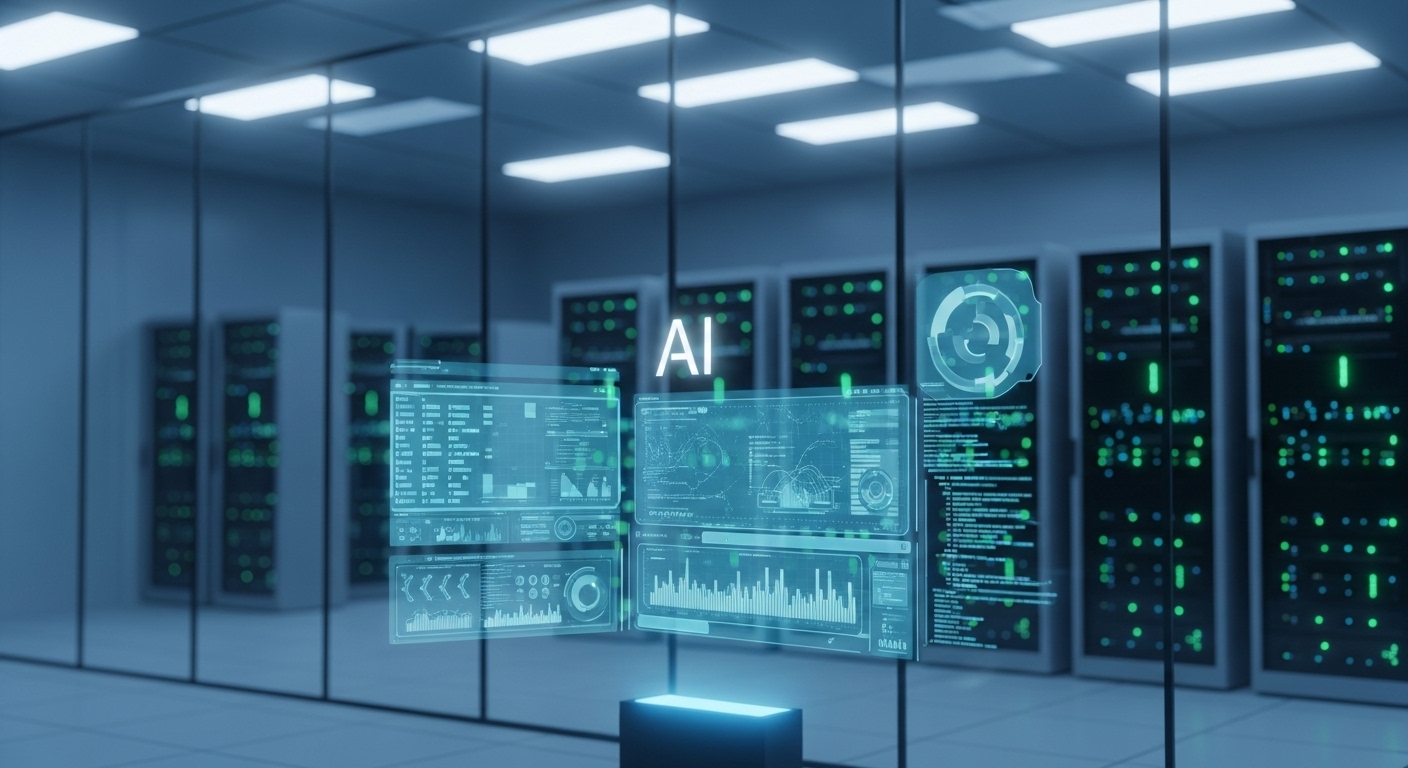
Artificial intelligence is no longer confined to science fiction or futuristic robots. It has quietly embedded itself in almost every sector. AI powers recommendation systems on streaming platforms, predicts weather patterns, automates customer service, and even aids in medical diagnoses. Its strength lies in its ability to process massive amounts of data faster and more accurately than humans can.
For businesses, AI is transforming decision-making. Retail companies use AI to analyze consumer behavior, allowing personalized marketing that feels intuitive. Financial institutions rely on AI to detect fraudulent activity and assess credit risk with remarkable precision. Even creative industries are leveraging AI tools for content generation, video editing, and music composition. The most striking feature of AI is its invisibility; much of its work occurs without end-users noticing, yet its impact is profound.
Blockchain Beyond Cryptocurrency
When most people think of blockchain, they immediately associate it with Bitcoin or other cryptocurrencies. While digital currencies are a significant application, blockchain’s potential extends far beyond. Blockchain is essentially a decentralized, tamper-proof ledger that can store data securely and transparently.
Industries like supply chain management are reaping the benefits of blockchain technology. Companies can track products from origin to destination, ensuring transparency, reducing fraud, and increasing trust. Healthcare is also exploring blockchain for secure patient record management, while governments are considering it for secure voting systems. By eliminating the need for central authorities, blockchain creates trust and accountability in ways traditional systems cannot match.
Edge Computing: Power at the Source
Edge computing represents a fundamental shift in how data is processed. Traditionally, cloud computing meant sending all data to centralized servers for analysis. Edge computing, however, brings processing closer to the data source, such as IoT devices, autonomous vehicles, or industrial sensors.
The advantages are numerous. Edge computing reduces latency, meaning devices can respond faster to real-world conditions. It also improves privacy because sensitive data can be processed locally rather than sent to external servers. For autonomous cars, drones, and smart factories, these small but powerful computing nodes are essential. Edge computing may not make headlines like smartphones, but it is quietly enabling real-time decisions and transforming how connected devices operate.
The Invisible Backbone: Internet Infrastructure
Few consider the underlying infrastructure of the internet, yet it is critical to modern life. Subsea cables, data centers, routers, and satellite networks keep the digital world running. Without this unseen network, cloud services, streaming platforms, and even daily communication would collapse.
Modern internet infrastructure is more than just connectivity. Advances in 5G and low-orbit satellite networks are expanding internet access to remote areas, enabling telemedicine, remote education, and global business collaboration. These improvements often go unnoticed by the average user, yet they form the backbone of our increasingly digital lives.
Automation in the Workplace
Automation is often misunderstood as a threat to jobs, but the reality is more nuanced. Invisible automation in software systems is quietly transforming workplaces. From HR departments to manufacturing floors, automated processes handle repetitive tasks, allowing human workers to focus on creativity, strategy, and problem-solving.
For example, AI-powered scheduling tools optimize employee shifts, predictive maintenance systems prevent machinery breakdowns, and workflow automation reduces time spent on administrative work. The impact is subtle yet transformative. Employees may not see the automation, but it is shaping productivity, efficiency, and innovation across industries.
Cybersecurity: Protecting the Invisible World
As technology becomes more embedded in daily life, cybersecurity is more critical than ever. Modern security systems operate largely behind the scenes, protecting sensitive information without interrupting user experience. Advanced algorithms detect suspicious activity, encryption protects data during transmission, and artificial intelligence identifies vulnerabilities before they are exploited.
Cybersecurity is not just about preventing hacks; it also ensures trust. Without robust protection, digital transactions, online communication, and even critical infrastructure could be compromised. Invisible yet vital, cybersecurity forms the digital immune system that underpins modern technology.
Healthcare Technology: Silent Lifesavers
Healthcare is experiencing a quiet technological transformation. While wearable devices like fitness trackers are visible, many breakthroughs occur behind the scenes. AI algorithms analyze medical images for early disease detection, predictive models forecast patient risks, and telemedicine platforms enable remote diagnosis and treatment.
Pharmaceutical research is also benefiting from technology. AI can model molecular structures to identify potential drugs, reducing the time and cost of clinical trials. Hospitals use software to optimize resource allocation, manage patient flow, and reduce human error. These invisible tools save lives, improve efficiency, and create a more resilient healthcare system.
Smart Cities: Technology in Disguise
Urban living is becoming smarter through invisible technological layers. Smart traffic systems analyze vehicle patterns to reduce congestion, while sensors in public spaces optimize energy usage and waste management. Streetlights adjust based on activity, and emergency systems respond dynamically to incidents.
Residents may not notice these changes, but they profoundly affect quality of life. Energy is conserved, safety improves, and cities become more sustainable. The magic of smart cities lies in their seamless integration: technology supports life without demanding attention.
Creativity Amplified by Technology
Technology is often seen as a tool for efficiency, but it is also enhancing human creativity. AI and machine learning tools assist artists, designers, and writers by suggesting improvements, generating ideas, and automating tedious tasks.
Musicians use AI to explore new sounds, graphic designers experiment with algorithm-generated visuals, and writers receive real-time content suggestions. The key is that technology operates quietly in the background, allowing creators to focus on innovation while technical processes are handled automatically. This synergy between humans and technology expands creative possibilities like never before.
Ethical Challenges of Invisible Technology
As technology becomes more invisible and embedded in daily life, ethical considerations become increasingly important. Who controls the algorithms that shape decisions? How is personal data used, stored, and protected? Invisible systems can amplify bias, unintentionally influence behavior, and raise concerns about transparency.
Policymakers, developers, and users must navigate these questions carefully. Ensuring fairness, accountability, and security is essential to building trust in a world dominated by silent technological forces. Without careful oversight, invisible systems risk eroding the very benefits they are designed to provide.
The Future: A World Seamlessly Integrated with Technology
Looking forward, technology will continue to integrate itself into every aspect of human life. Devices will become smaller, more intelligent, and almost imperceptible. AI assistants may anticipate our needs, urban infrastructure will respond dynamically, and personal devices will operate without manual input.
The ultimate goal is not to create more visible gadgets but to develop technology that disappears into the environment while making life more efficient, productive, and enjoyable. The future is not about being surrounded by screens and devices but being supported by intelligent systems that operate quietly, reliably, and seamlessly.
Conclusion: Embracing the Invisible Revolution
The most impactful technologies are often the ones we do not notice. From AI to edge computing, blockchain to smart cities, invisible systems are reshaping industries, workplaces, and daily life. Their quiet integration allows society to function more efficiently while opening new opportunities for creativity, productivity, and problem-solving.
Understanding and embracing these technologies is critical. The silent revolution is already underway, and recognizing its presence enables individuals and organizations to harness its full potential. Technology is no longer just something we use; it is something that actively shapes our world, often without us realizing it. By paying attention to the invisible, we can ensure a future where technology works for humanity seamlessly, responsibly, and creatively.