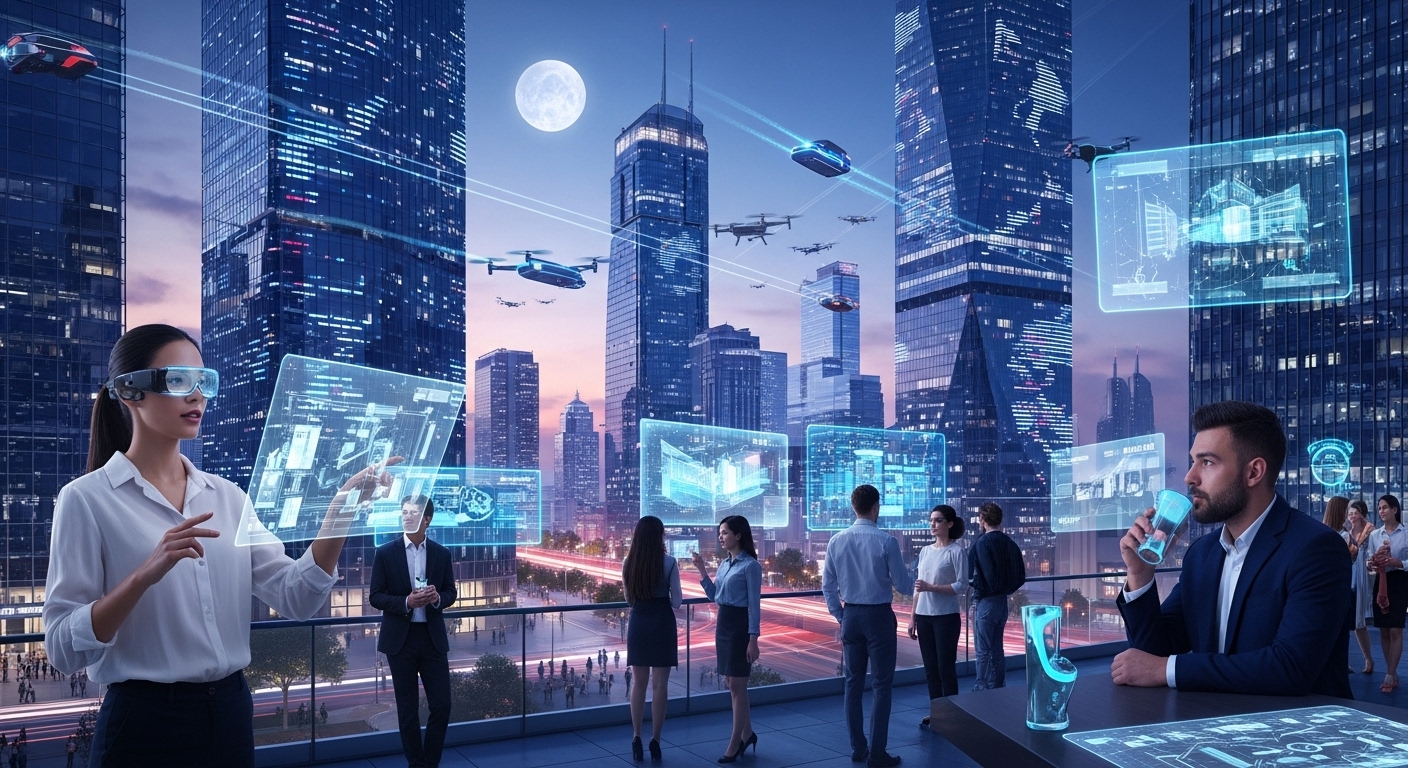
Technology is no longer just a tool; it has become an integral part of our everyday lives, influencing how we live, work, communicate, and even think. From the moment we wake up to the moment we go to sleep, technology plays a crucial role in shaping our experiences and possibilities. This blog post explores the transformative power of technology, its various domains, and the impact it has on society. We will also delve into emerging trends and the ethical considerations surrounding rapid innovation.
The Foundations of Modern Technology
At its core, technology involves the application of scientific knowledge to create tools and systems that solve problems and enhance human capabilities. The journey from simple tools like the wheel to complex digital networks highlights humanity’s relentless quest to improve life through innovation.
The modern technological landscape is vast and interconnected, spanning computing, communication, artificial intelligence, biotechnology, renewable energy, and more. Each domain contributes uniquely to the fabric of our society.
Computing Power: The Backbone of Technological Advancement
The rapid growth in computing power has fueled almost every technological advancement we see today. From the first bulky computers occupying entire rooms to sleek smartphones in our pockets, the evolution of hardware has been remarkable.
Moore’s Law, which observed the doubling of transistors on integrated circuits roughly every two years, has driven exponential increases in processing speed and capability. This trend has enabled the development of sophisticated software, complex simulations, and real-time data analysis, impacting fields ranging from finance to healthcare.
The Internet: Connecting the Globe
The internet has revolutionized how people interact, access information, and conduct business. By creating a global network of interconnected devices, it has flattened the world and opened opportunities for communication and collaboration on an unprecedented scale.
With the internet, knowledge has become more accessible, breaking down barriers of geography and social status. Social media platforms, e-commerce, online education, and streaming services are just a few examples of how the internet shapes modern life.
Artificial Intelligence: Machines Learning to Think
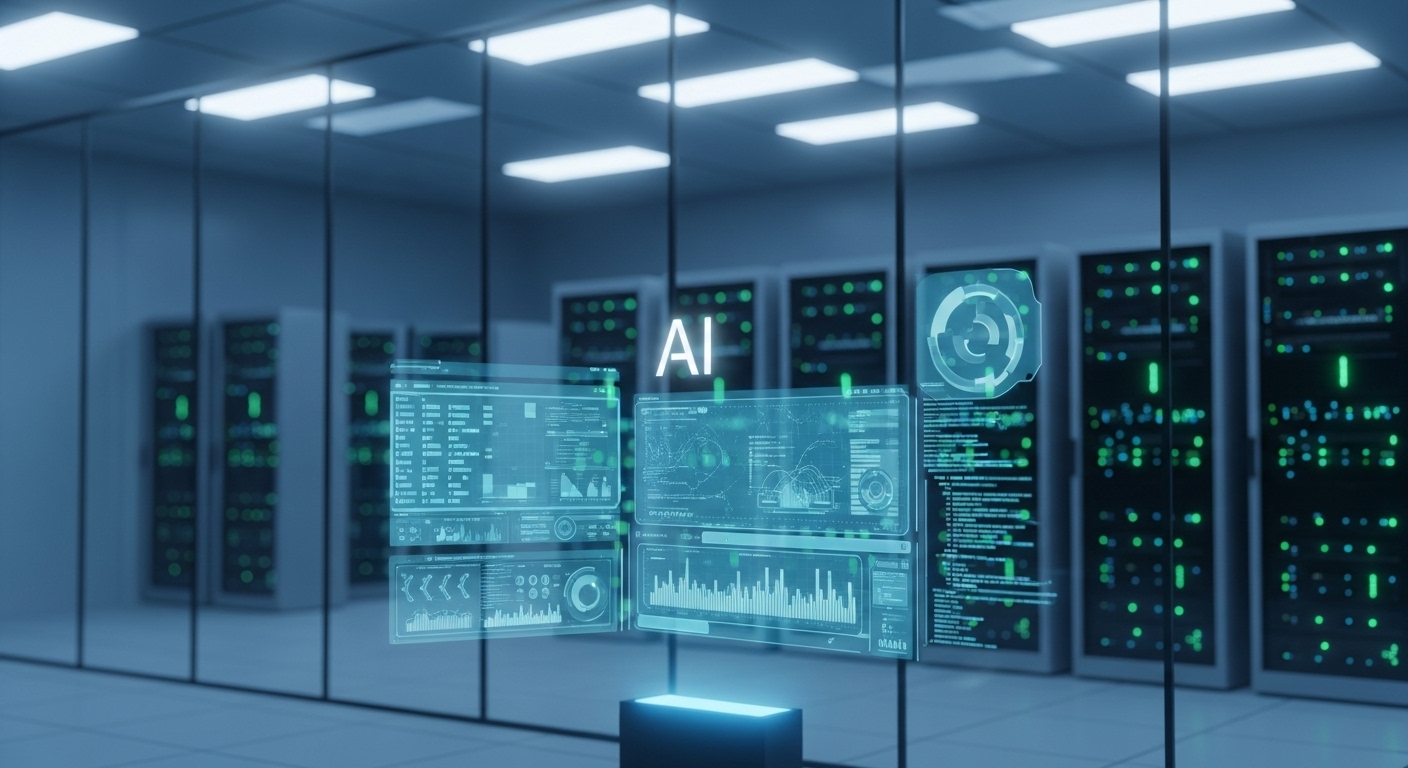
Artificial intelligence, or AI, represents a significant leap in technology, enabling machines to perform tasks that typically require human intelligence. These include learning from data, recognizing patterns, making decisions, and understanding natural language.
Machine learning, a subset of AI, allows systems to improve over time without explicit programming. Deep learning, inspired by neural networks in the human brain, has advanced capabilities in image recognition, voice assistants, and autonomous vehicles.
AI is transforming industries by improving efficiency, enhancing customer experiences, and unlocking new insights. However, it also raises questions about job displacement, privacy, and ethical use.
Biotechnology: The Frontier of Life Sciences
Biotechnology harnesses biological systems to develop new products and technologies that benefit medicine, agriculture, and the environment. Gene editing tools such as CRISPR have opened doors to precise genetic modifications with the potential to cure diseases and improve crop resilience.
Personalized medicine, which tailors treatments to an individual’s genetic makeup, is becoming increasingly feasible thanks to advances in genomics and data analysis. These breakthroughs promise to revolutionize healthcare by improving outcomes and reducing side effects.
Renewable Energy and Sustainable Technology
As the world grapples with climate change, technology plays a crucial role in driving sustainability. Renewable energy sources such as solar, wind, and hydroelectric power are becoming more efficient and cost-effective.
Innovations in battery storage and smart grids facilitate the integration of renewable sources into existing infrastructure. Additionally, developments in green building materials, electric vehicles, and carbon capture technologies contribute to reducing humanity’s environmental footprint.
Robotics and Automation: Transforming Industry and Daily Life
Robotics and automation technologies are reshaping manufacturing, logistics, healthcare, and even household tasks. Industrial robots increase productivity and safety by performing repetitive or hazardous jobs.
In healthcare, robots assist in surgery and patient care, improving precision and outcomes. Service robots in hospitality and domestic settings provide convenience and support.
The rise of automation also prompts important discussions about workforce transitions and the need for new skills and training programs.
Emerging Technologies: What’s Next on the Horizon?
Several cutting-edge technologies promise to further disrupt and enhance our world.
Quantum computing leverages the principles of quantum mechanics to solve problems beyond the reach of classical computers, with potential applications in cryptography, material science, and optimization.
Blockchain technology offers decentralized and secure methods for transactions and data management, with implications for finance, supply chains, and digital identity.
Augmented reality (AR) and virtual reality (VR) are transforming entertainment, education, and training by blending digital content with the physical world, creating immersive experiences.
Ethical and Social Considerations in Technological Progress
As technology advances rapidly, ethical and social issues come to the forefront. Concerns around data privacy, surveillance, misinformation, and algorithmic bias demand careful attention.
Ensuring equitable access to technology is essential to prevent deepening social inequalities. Moreover, transparency, accountability, and public engagement are critical in guiding responsible innovation.
Preparing for a Tech-Driven Future
To thrive in a world increasingly shaped by technology, education and continuous learning are vital. Developing skills in science, technology, engineering, and mathematics, alongside critical thinking and creativity, prepares individuals for emerging opportunities.
Policymakers, businesses, and communities must collaborate to foster innovation while safeguarding societal values. Balancing technological progress with ethical stewardship will be key to unlocking the full potential of technology.
Conclusion: Embracing Technology with Vision and Responsibility
Technology holds the power to solve some of humanity’s greatest challenges and enhance quality of life across the globe. Its transformative impact touches every sector and aspect of daily living.
By embracing technological innovation with a vision grounded in ethics and inclusivity, society can harness these tools to build a more connected, sustainable, and prosperous future.
The journey of technology is ongoing, and as it continues to evolve, so too does our ability to shape it for the greater good.