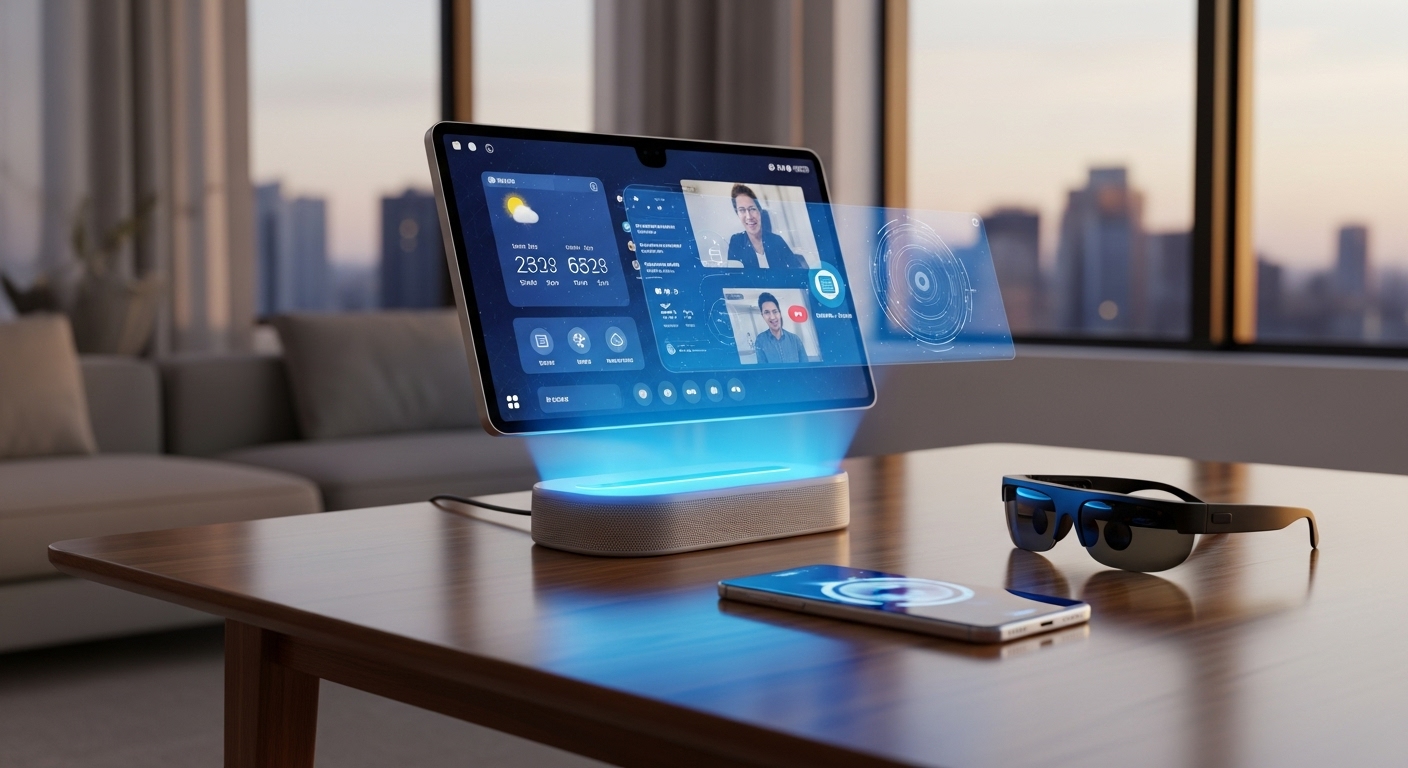
In today’s fast-paced world, technology isn’t just a tool—it’s the very foundation upon which our daily lives are built. From how we communicate to how we work, live, and play, the impact of technological innovations is undeniable. This blog post takes a closer look at the incredible technological advancements shaping our present and future, highlighting the trends that are making waves across industries.
The Digital Revolution: How Technology Is Changing Everything
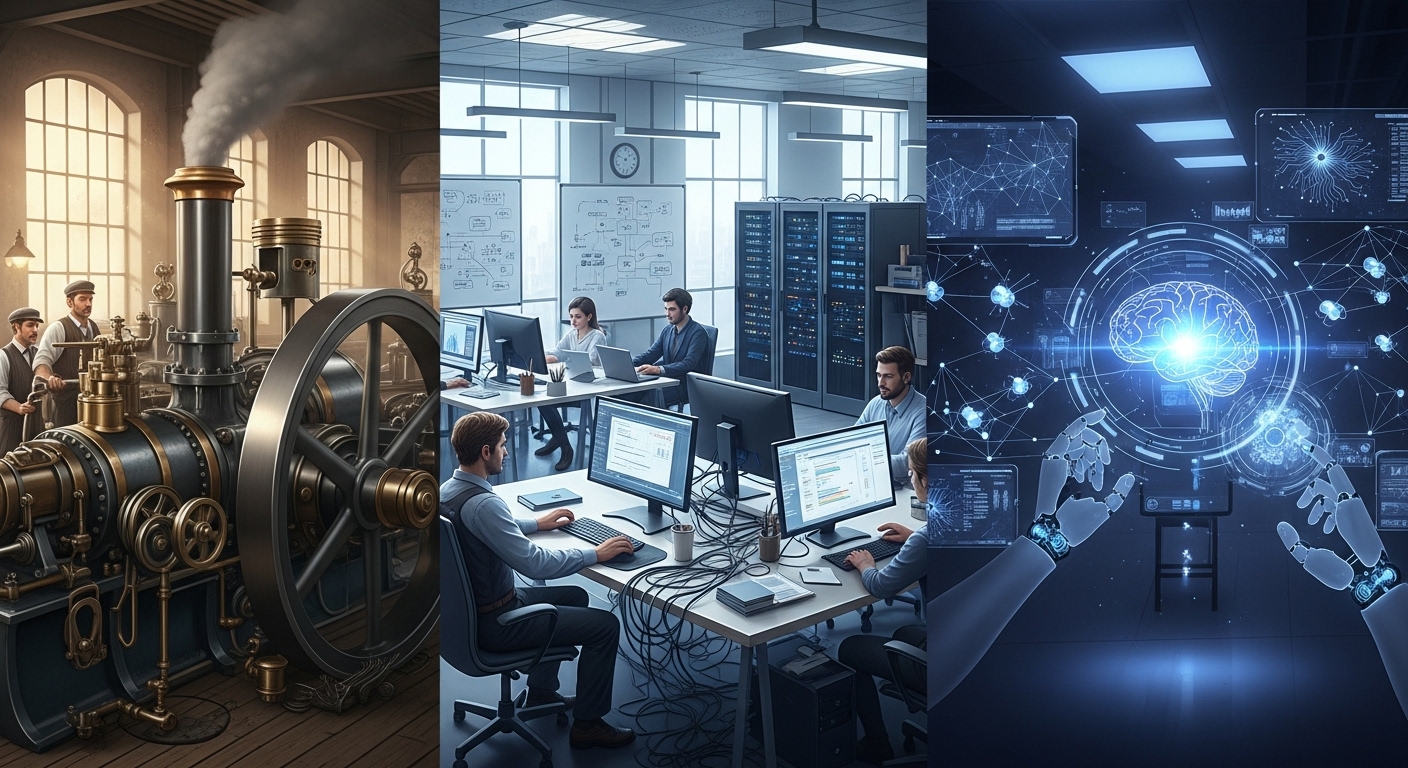
We are living in an era where digital transformation is at the heart of nearly every industry. From the workplace to the healthcare system, technology is driving efficiencies, improving outcomes, and creating entirely new possibilities. The rise of cloud computing, artificial intelligence, and big data analytics has enabled companies to rethink how they operate, offering smarter, more efficient solutions that were once thought impossible.
The digital revolution is also shifting the way we interact with the world. Services that once required physical presence, such as banking, shopping, and learning, can now be done from the comfort of our homes. Cloud-based platforms have created new business models, allowing startups to thrive without the need for expensive physical infrastructure.
Artificial Intelligence: The Brain Behind the Future
Artificial Intelligence (AI) is one of the most exciting developments in the world of technology. It’s already embedded in many aspects of our lives, from virtual assistants like Siri and Alexa to recommendation algorithms on Netflix and YouTube. However, AI’s impact goes far beyond entertainment and convenience.
In sectors like healthcare, finance, and logistics, AI is optimizing processes, analyzing data faster than humans, and even making autonomous decisions. For example, in healthcare, AI is being used for early disease detection by analyzing medical images, while in finance, AI is revolutionizing fraud detection and risk assessment. As AI continues to evolve, it holds the promise of significantly improving efficiency across all industries and even solving some of the world’s most complex problems.
The Internet of Things: Connecting the World Around Us
The Internet of Things (IoT) is another technological leap that’s reshaping our world. IoT refers to the network of physical devices that are connected to the internet and can communicate with each other. This can range from household appliances like smart thermostats and refrigerators to industrial machinery used in manufacturing plants.
The potential of IoT is vast. In homes, IoT devices allow us to manage our environment more efficiently—adjusting lighting, temperature, and security systems remotely. In businesses, IoT-enabled devices provide real-time data that can improve decision-making, reduce downtime, and increase productivity. As more devices become interconnected, the possibilities for smart homes, cities, and industries are bound to expand.
5G Connectivity: Faster, Smarter, and More Connected
The rollout of 5G technology is poised to revolutionize the way we interact with the internet and our devices. With its promise of faster download speeds, lower latency, and the ability to handle more connected devices simultaneously, 5G is set to take the digital experience to the next level.
The benefits of 5G go beyond faster streaming or quicker downloads. It has the potential to unlock new possibilities in industries like healthcare, transportation, and entertainment. For example, 5G will allow for real-time remote surgeries, making it possible for doctors to perform operations from miles away. In transportation, 5G will play a critical role in enabling autonomous vehicles to communicate with one another and with traffic infrastructure to improve safety and reduce accidents.
Blockchain: Decentralizing Trust
Blockchain technology, which gained fame through cryptocurrency, is now being explored for its broader applications. At its core, blockchain is a decentralized, transparent, and secure way of recording transactions across a distributed network of computers. This means that once a transaction is recorded, it cannot be altered or deleted, making it highly secure and reliable.
Blockchain is already being applied in various sectors beyond cryptocurrency. In supply chain management, blockchain can provide real-time visibility into product movements, ensuring transparency and reducing fraud. In healthcare, it can be used to maintain secure patient records that are accessible by authorized parties. With its ability to eliminate the need for intermediaries, blockchain is paving the way for more efficient, trustworthy systems across industries.
Quantum Computing: The Future of Problem-Solving
Quantum computing is often referred to as the next frontier in technology. Unlike classical computers, which use bits to process information in binary form (0 or 1), quantum computers use qubits that can exist in multiple states at once. This means quantum computers can process exponentially more data and solve problems at a speed and scale unimaginable with current technology.
While quantum computing is still in its developmental stages, it holds the potential to transform fields such as cryptography, medicine, and artificial intelligence. For example, quantum computing could accelerate the process of drug discovery by simulating molecular structures and reactions at a much faster rate than traditional computers. In the realm of cybersecurity, it could break current encryption methods, prompting the need for more advanced security systems.
Virtual and Augmented Reality: Reimagining Experiences
Virtual reality (VR) and augmented reality (AR) are pushing the boundaries of how we experience the world around us. While VR immerses users in completely virtual environments, AR overlays digital information onto the real world, enhancing our perception of reality. These technologies are no longer limited to gaming and entertainment; they are making significant impacts across various industries.
In education, VR is providing immersive learning experiences, allowing students to explore historical events or scientific concepts in a way that textbooks cannot. In healthcare, AR is being used to guide surgeons during operations, providing real-time data and visuals that improve accuracy. Both VR and AR are also transforming marketing, retail, and real estate by offering more interactive and engaging ways for consumers to experience products and services.
The Future of Work: Automation and AI Integration
As technology continues to evolve, the future of work is changing. Automation, driven by AI, robotics, and machine learning, is already transforming industries like manufacturing, agriculture, and logistics. Tasks that once required manual labor are now being automated, leading to increased efficiency and cost savings for businesses.
However, automation also raises concerns about job displacement. As machines and AI systems take on more tasks, the workforce must adapt by focusing on skills that are less likely to be automated, such as creativity, problem-solving, and emotional intelligence. Remote work technology is also becoming more important as companies embrace hybrid work models, giving employees the flexibility to work from anywhere while staying connected through cloud-based tools.
Conclusion: The Exciting Future of Technology
Technology is undoubtedly shaping the future of our world, from enhancing everyday life to tackling complex global challenges. Innovations like AI, blockchain, quantum computing, and IoT are revolutionizing industries, making our world more connected, efficient, and sustainable. As we look ahead, it’s clear that technology will continue to push the boundaries of what’s possible, opening up new opportunities and challenges.
The key to navigating this exciting future will be adapting to these technological changes while ensuring that we address the ethical and societal implications they bring. Embracing innovation while staying mindful of its impact on humanity will be crucial in ensuring that technology serves as a force for good in the years to come.