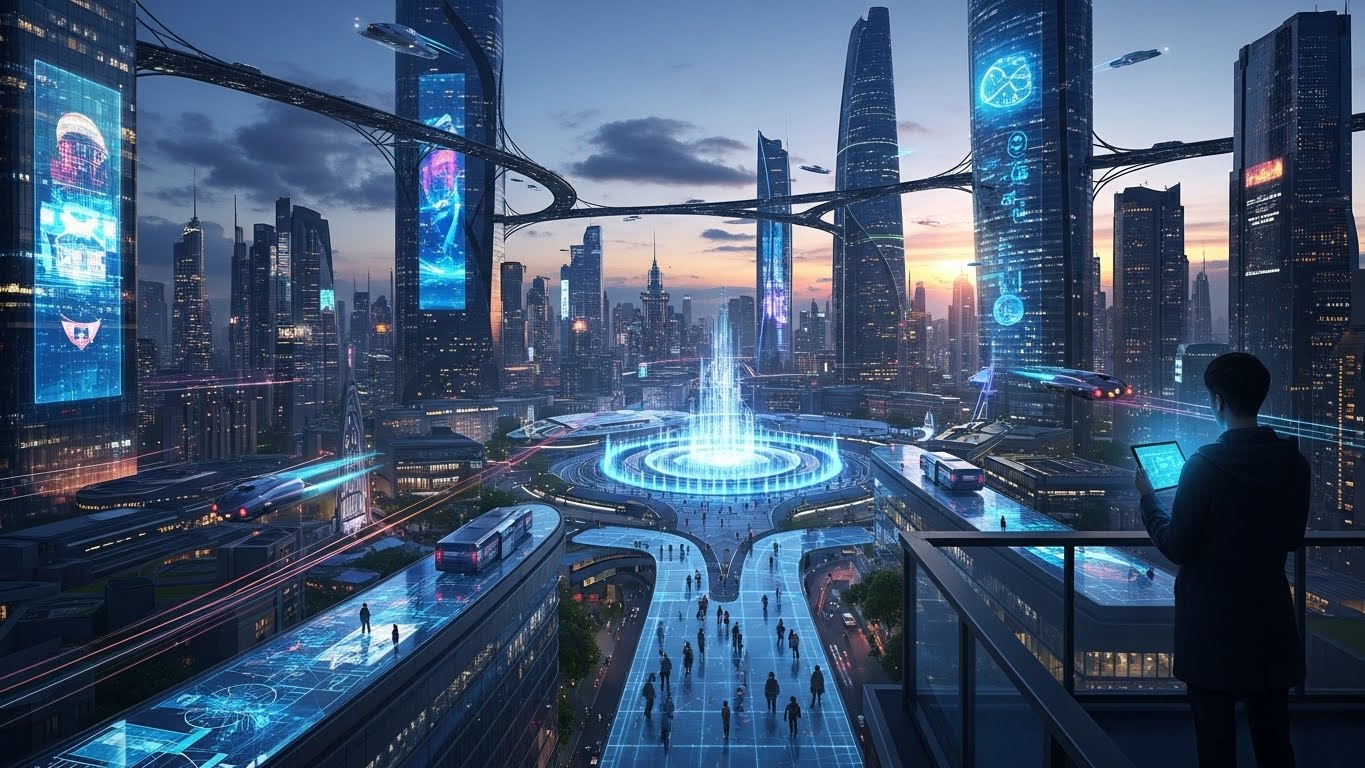

In today’s world, technology is more than just a tool—it’s a driving force that powers nearly every aspect of our lives. From the way we communicate and work, to how we learn, travel, and entertain ourselves, technology has become an inseparable part of human existence. The innovations of the 21st century are not merely improvements on what came before, but transformative breakthroughs that are setting the stage for a new era of possibilities.
In this blog post, we will explore the revolutionary impact of technology on various industries, its role in shaping society, and how emerging trends are defining the future. Whether it’s artificial intelligence, blockchain, or quantum computing, the power of tech is undeniable. Join us as we dive into the many ways technology is changing the world and creating new frontiers for humanity.
The Rise of Artificial Intelligence: A New Era of Smart Machines
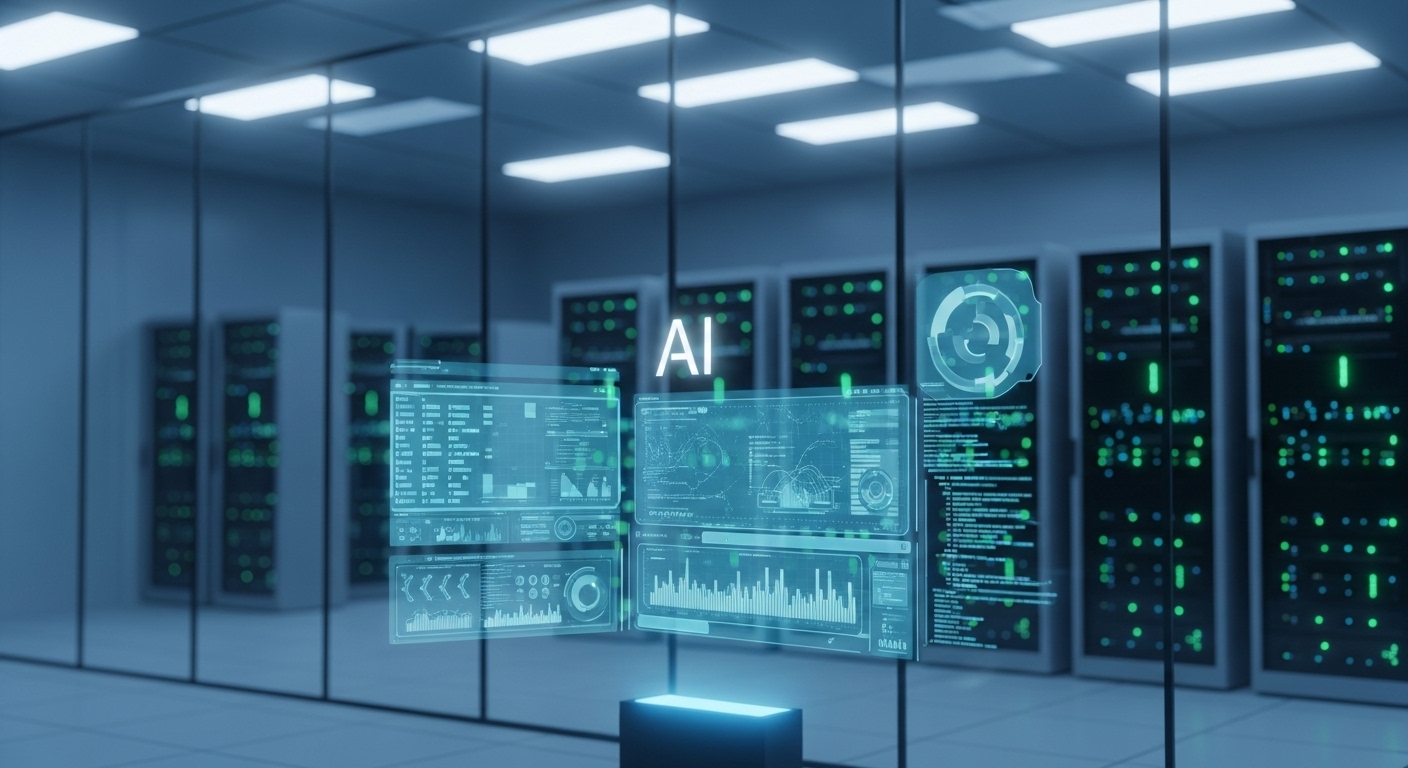
Artificial Intelligence (AI) is one of the most significant technological advancements in recent years. AI refers to the creation of machines that can perform tasks that would typically require human intelligence, such as problem-solving, learning, decision-making, and natural language understanding. While AI has been in development for decades, its capabilities have exponentially grown, allowing it to impact almost every sector.
In industries like healthcare, AI is being used to assist in diagnosing diseases, predicting patient outcomes, and even suggesting personalized treatment plans. AI-powered systems can analyze vast amounts of medical data, identifying patterns that might not be immediately obvious to human doctors. This is improving the speed and accuracy of diagnoses, ultimately saving lives.
In business, AI is driving efficiencies through automation. From chatbots that handle customer service inquiries to AI-driven analytics tools that help companies make data-driven decisions, AI is making businesses more agile, responsive, and cost-effective. Moreover, as AI algorithms become more sophisticated, we can expect them to play an even larger role in fields like autonomous driving, finance, and creative industries.
However, the rise of AI also raises questions about job displacement and the future of work. While AI can automate certain tasks, the concern is that it could lead to the obsolescence of specific roles. As we continue to integrate AI into various sectors, there will be a need for new skills, particularly in the areas of programming, machine learning, and data analysis, as well as an ethical framework to ensure the responsible use of AI.
Blockchain Technology: Revolutionizing Trust and Transparency
Blockchain is another groundbreaking innovation that is shaping the future of technology. At its core, blockchain is a decentralized digital ledger that records transactions across a network of computers. The key feature of blockchain is its ability to provide transparency and security without the need for a central authority. This has far-reaching implications, particularly in industries such as finance, supply chain management, and healthcare.
In the world of finance, blockchain is most commonly associated with cryptocurrencies like Bitcoin and Ethereum. These decentralized digital currencies allow for peer-to-peer transactions without the need for intermediaries such as banks. Blockchain’s ability to enable secure, transparent, and instant transactions has the potential to disrupt traditional banking systems, making financial services more inclusive and accessible to people worldwide.
Blockchain is also transforming supply chain management. With its transparent and immutable ledger, blockchain allows companies to track the movement of goods from origin to destination. This increases accountability and reduces fraud, enabling consumers to verify the authenticity of products, especially in industries like luxury goods, food, and pharmaceuticals.
Additionally, blockchain has the potential to revolutionize healthcare by providing secure, patient-controlled access to medical records. Instead of relying on fragmented and outdated systems, healthcare providers could use blockchain to ensure that medical information is securely stored and easily shared across institutions, improving patient care and reducing errors.
The Internet of Things (IoT): Connecting the World Around Us
The Internet of Things (IoT) refers to the network of physical devices that are connected to the internet and can communicate with one another. From smart thermostats and wearable fitness trackers to connected cars and home appliances, IoT is transforming the way we interact with the world.
In the consumer space, IoT devices are enhancing convenience and efficiency. Smart homes equipped with IoT devices can automate daily tasks, such as adjusting the temperature, controlling lighting, and even ordering groceries. These devices learn user preferences and become more intuitive over time, creating a seamless and personalized living experience.
IoT is also having a profound impact on industries such as agriculture, manufacturing, and logistics. In agriculture, for example, IoT sensors can monitor soil moisture, temperature, and other variables, allowing farmers to optimize irrigation and crop management. In manufacturing, IoT-enabled machines can predict maintenance needs, minimizing downtime and reducing operational costs.
The promise of IoT is vast, but it also raises concerns around privacy and security. With more devices collecting and transmitting data, there is an increased risk of cyberattacks. As we continue to integrate IoT into our daily lives, it will be crucial to develop secure frameworks to protect personal and sensitive information from unauthorized access.
Quantum Computing: The Next Frontier in Computing Power
Quantum computing is poised to revolutionize computing by solving problems that are currently beyond the reach of classical computers. Unlike traditional computers, which process information in binary (0s and 1s), quantum computers use quantum bits, or qubits, which can represent multiple states simultaneously. This enables quantum computers to perform calculations at speeds exponentially faster than even the most powerful supercomputers today.
While quantum computing is still in its early stages, it holds enormous potential in fields such as cryptography, medicine, and material science. For example, quantum computers could revolutionize drug discovery by simulating molecular interactions in ways that classical computers cannot. This could lead to faster development of new medications and therapies.
In cryptography, quantum computers could potentially break traditional encryption methods, which rely on the difficulty of factoring large numbers. This has led to the development of quantum-resistant encryption techniques to protect sensitive information in the future. The implications of quantum computing extend far beyond these examples, with the potential to tackle complex problems that were previously thought unsolvable.
However, quantum computing also presents significant challenges, including the need for advanced hardware, error correction, and specialized programming languages. Despite these hurdles, major tech companies and research institutions are pouring resources into the development of quantum computers, and we can expect to see major breakthroughs in the coming years.
The Role of 5G in Accelerating Technological Advancements
5G, the fifth generation of mobile network technology, is set to play a pivotal role in accelerating the adoption of new technologies. With faster speeds, lower latency, and greater network capacity than previous generations, 5G will enable a wide range of applications that were previously impossible or impractical.
One of the most significant benefits of 5G is its ability to support massive IoT networks. As the number of connected devices continues to grow, 5G will provide the bandwidth and reliability necessary to handle the increased data flow. This will enable smart cities, autonomous vehicles, and other advanced technologies to operate more efficiently and seamlessly.
5G will also enhance industries such as healthcare and entertainment. In healthcare, 5G’s low latency will enable remote surgeries and real-time monitoring of patients, regardless of location. In entertainment, 5G will facilitate the streaming of high-quality content, such as virtual reality (VR) and augmented reality (AR), providing users with immersive experiences that were previously limited by network speeds.
The rollout of 5G is still in progress, and while it promises to unlock new possibilities, it also presents challenges. There are concerns about the infrastructure required to deploy 5G networks, as well as potential issues surrounding privacy and security. Nevertheless, 5G is set to be a game-changer in the way we live, work, and interact with technology.
The Ethical Implications of Technological Advancements
As technology continues to evolve at a rapid pace, it’s important to consider its ethical implications. The rise of AI, blockchain, IoT, and other emerging technologies presents opportunities for progress, but also raises significant questions about privacy, security, and human rights.
For example, AI systems can be biased if they are trained on incomplete or unrepresentative data. This can lead to discrimination in areas such as hiring, law enforcement, and lending. Blockchain, while transparent, could also be used for illicit activities such as money laundering or fraud. The widespread use of IoT devices raises concerns about data privacy and the potential for surveillance.
As we embrace technological innovation, it’s crucial that we establish ethical guidelines and frameworks to ensure that these technologies are used responsibly. Governments, tech companies, and research institutions must work together to address these challenges and promote the equitable and ethical use of technology.
Conclusion: The Boundless Potential of Technology
Technology is the catalyst for a new era of human progress. From AI and blockchain to quantum computing and 5G, innovations are transforming the way we live, work, and interact with the world around us. While these advancements hold immense promise, they also present challenges that must be addressed with careful thought and consideration.
As we look to the future, one thing is certain: technology will continue to shape our lives in ways we can only begin to imagine. By embracing innovation, fostering collaboration, and promoting ethical practices, we can ensure that the technologies of tomorrow are used to create a better, more equitable world for all. The age of innovation has only just begun, and the possibilities are endless.