
Technology has always been a powerful force in shaping the course of human history, and today, we stand at the edge of an era where innovations are accelerating faster than ever before. From artificial intelligence (AI) to biotechnology, blockchain, and quantum computing, the technologies of the future promise to reshape every aspect of our lives, industries, and societies. As we move toward the next decade, it’s crucial to understand the technologies that will define the future and the implications they will have on our world.
This blog will explore the most promising technological innovations expected to revolutionize industries and the way we live. We will dive deep into the realms of AI, the Internet of Things (IoT), blockchain, quantum computing, biotechnology, and more, analyzing how these technologies will impact our daily lives, economies, and social structures. Along with the positive transformations, we’ll also examine the challenges, ethical concerns, and potential risks that come with rapid technological advancement.
Artificial Intelligence: Transforming Industries and Enhancing Human Capabilities
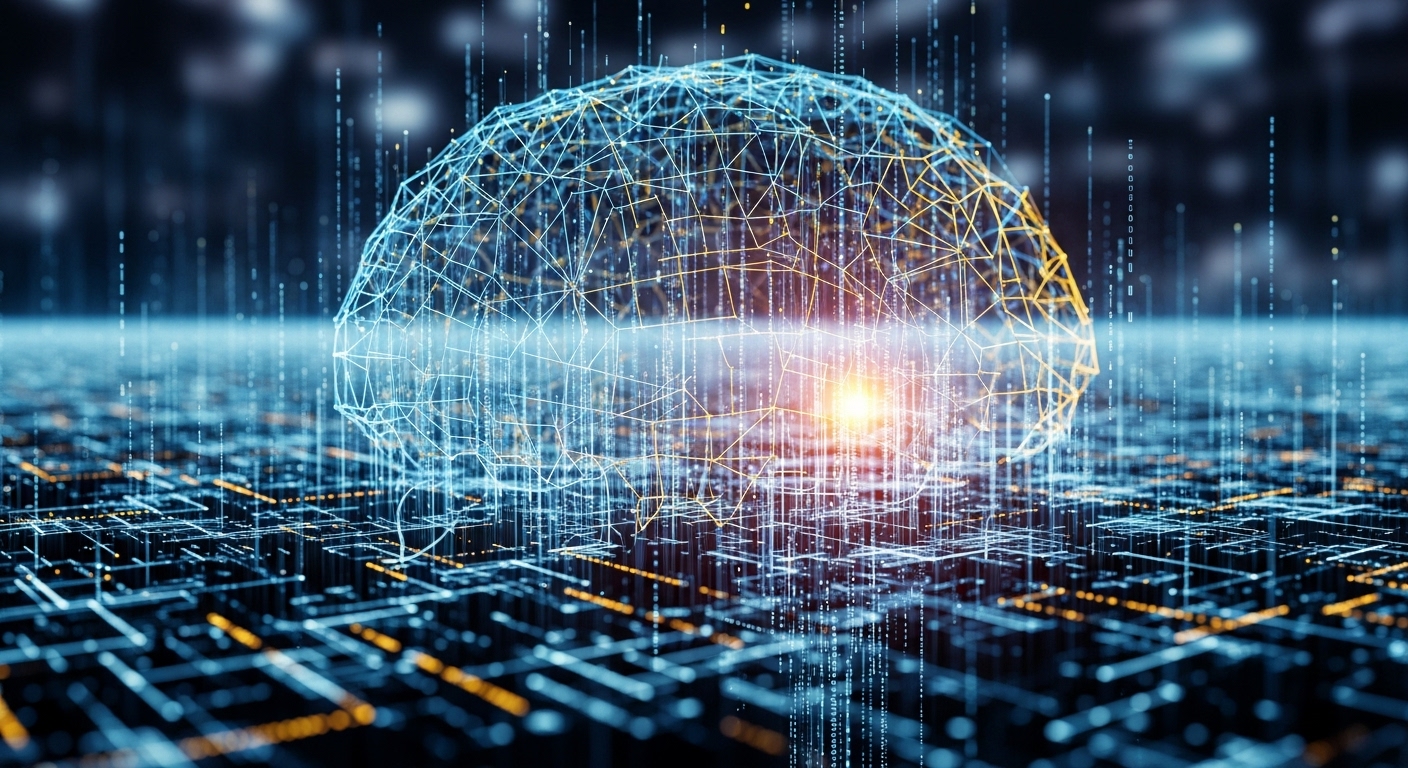
Artificial intelligence is no longer just a buzzword but an integral part of our daily lives. AI systems can process large volumes of data, recognize patterns, make decisions, and even learn and adapt without human intervention. As we look to the next decade, AI will continue to evolve, becoming more sophisticated and integrated into various aspects of society, from healthcare to entertainment and transportation.
AI in Healthcare: A New Era of Medicine
One of the most exciting areas where AI will have a profound impact is healthcare. With AI-powered algorithms, we can significantly improve diagnostics, treatment plans, and patient care. Machine learning algorithms can analyze medical images, detect anomalies that humans may miss, and even predict the progression of diseases based on a patient’s medical history and genetic data. In the future, AI could provide real-time health monitoring and early warnings for chronic conditions, helping prevent diseases before they become life-threatening.
Moreover, AI is revolutionizing drug discovery. By analyzing vast amounts of biological data, AI can help researchers identify promising compounds and accelerate the process of drug development. This could lead to faster treatments for various diseases, including cancer and neurological disorders, ultimately saving millions of lives.
AI and Automation in Business
In the business world, AI is expected to streamline operations, reduce costs, and improve decision-making. From automated customer service representatives to AI-driven supply chain management, businesses will increasingly rely on AI to perform repetitive tasks, allowing human workers to focus on more creative and strategic roles.
AI’s ability to analyze consumer behavior in real-time is already transforming marketing strategies. With AI-powered tools, businesses can offer hyper-personalized experiences, improving customer satisfaction and loyalty. By analyzing data from various sources, AI can predict trends and help companies make data-driven decisions, improving efficiency and profitability.
However, the growing reliance on AI raises questions about job displacement. As AI takes over more repetitive tasks, many traditional jobs could become obsolete. It will be important to invest in reskilling and upskilling the workforce to ensure that people can transition to new roles created by the AI-driven economy.
Ethical Implications of AI
As AI systems become more advanced, the ethical implications will become more complex. Issues like bias in AI algorithms, data privacy, and accountability for AI-driven decisions are already topics of concern. For example, AI systems trained on biased data can perpetuate inequalities and make discriminatory decisions, which can be particularly dangerous in fields like hiring, law enforcement, and lending.
To mitigate these risks, it will be essential for governments, corporations, and other stakeholders to collaborate on creating regulations and standards for the responsible development and deployment of AI. Ensuring transparency, fairness, and accountability in AI systems will be crucial for building trust and ensuring that AI benefits society as a whole.
The Internet of Things: Connecting the World Around Us
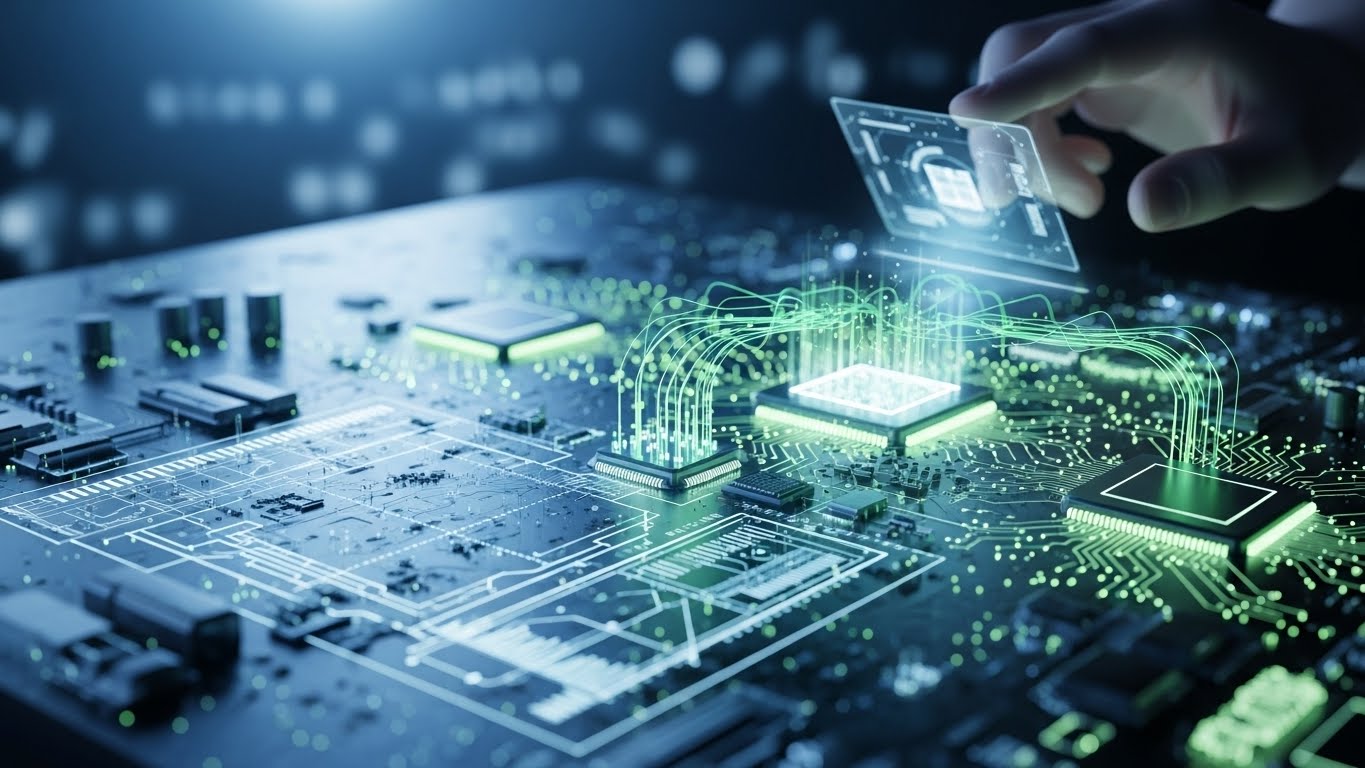
The Internet of Things (IoT) refers to the network of physical devices, vehicles, appliances, and other objects that are embedded with sensors and connectivity, enabling them to collect and exchange data. The IoT ecosystem is rapidly growing, and it is poised to become an integral part of our daily lives, reshaping how we interact with the world around us.
IoT in Smart Homes
One of the most visible applications of IoT today is in the realm of smart homes. Devices like smart thermostats, lights, refrigerators, and security systems are already improving convenience and energy efficiency. But as the IoT evolves, homes will become even smarter. AI-powered IoT devices will be able to anticipate our needs, adjust settings automatically, and even provide suggestions to improve our quality of life.
For instance, a smart home could learn your daily routines, adjusting the thermostat, lighting, and appliances based on your preferences and energy usage patterns. Additionally, advanced IoT systems could provide real-time monitoring of the home’s security, alerting you to potential risks such as fires, intruders, or water leaks before they become significant problems.
IoT in Healthcare
In healthcare, IoT devices are already enabling remote monitoring of patients with chronic conditions, ensuring they receive the right care without the need for constant hospital visits. Wearable devices, such as fitness trackers and smartwatches, are helping individuals track their health metrics, from heart rate to sleep patterns, enabling proactive healthcare management.
The future of IoT in healthcare promises even more sophisticated applications. For example, IoT-enabled medical devices can provide real-time data to doctors, allowing for more accurate diagnoses and personalized treatment plans. Remote surgery and telemedicine, powered by IoT, will become more widespread, offering patients access to healthcare professionals regardless of their location.
The Challenges of IoT Security
As the IoT continues to expand, security will become an increasingly critical concern. With millions of devices connected to the internet, each one represents a potential vulnerability. Cyberattacks targeting IoT devices could compromise personal data, privacy, and even physical safety. For instance, smart home devices could be hacked, exposing users to threats like unauthorized surveillance or burglary.
To mitigate these risks, IoT manufacturers will need to prioritize security in their designs. Robust encryption, regular software updates, and strong authentication methods will be essential in ensuring that IoT devices are secure and resistant to hacking.
Blockchain: The Decentralized Future
Blockchain technology is widely known for being the backbone of cryptocurrencies like Bitcoin, but its potential goes far beyond digital currencies. At its core, blockchain is a decentralized, distributed ledger that records transactions in a secure, transparent, and immutable manner. This makes it ideal for applications where trust and security are critical, such as financial transactions, supply chain management, and digital identity verification.
Blockchain in Financial Services
In the financial sector, blockchain has the potential to disrupt traditional banking and payment systems. By eliminating intermediaries, blockchain can make cross-border transactions faster, cheaper, and more transparent. Smart contracts, which are self-executing contracts with the terms of the agreement directly written into code, will also automate many processes in finance, reducing the need for human intervention.
Moreover, decentralized finance (DeFi) platforms built on blockchain are already challenging traditional financial institutions. These platforms allow individuals to borrow, lend, and trade digital assets without relying on banks, creating new opportunities for financial inclusion, particularly in underbanked regions.
Blockchain in Supply Chain and Healthcare
Blockchain can also bring transparency and accountability to supply chains. By recording every transaction on an immutable ledger, blockchain can ensure that products are sourced ethically, and their journey through the supply chain is traceable. This could help combat issues such as fraud, counterfeiting, and human rights violations in industries like food, pharmaceuticals, and luxury goods.
In healthcare, blockchain can provide a secure and transparent way to store and share patient data, ensuring privacy while also making it easier for healthcare providers to access important medical information. Blockchain could also help reduce fraud in healthcare by providing a clear, immutable record of treatments and prescriptions.
The Challenges of Blockchain
While blockchain has enormous potential, it also faces several challenges. Scalability remains a significant issue, as many blockchain networks require a lot of computing power to process transactions. Additionally, the energy consumption associated with blockchain, particularly in cryptocurrency mining, has raised concerns about its environmental impact.
Regulation is another challenge. Governments and regulators are still trying to figure out how to deal with blockchain-based systems, particularly cryptocurrencies. The lack of a clear regulatory framework could slow the adoption of blockchain in some industries.
Quantum Computing: Unlocking New Possibilities
Quantum computing is a rapidly emerging field that promises to revolutionize industries by solving problems that are currently intractable for classical computers. Unlike traditional computers, which process information in binary (0s and 1s), quantum computers use quantum bits (qubits) that can exist in multiple states simultaneously, thanks to the principles of quantum mechanics.
The Potential of Quantum Computing
Quantum computing has the potential to transform industries like cryptography, material science, and drug discovery. In cryptography, quantum computers could break existing encryption methods, prompting the development of new, quantum-resistant algorithms. In material science, quantum computing could enable the discovery of new materials with properties that are impossible to identify using classical computers.
In drug discovery, quantum computers could simulate the behavior of molecules at the quantum level, speeding up the identification of new compounds and accelerating the development of life-saving drugs. Additionally, quantum computing could enhance machine learning algorithms, making them more efficient and capable of solving more complex problems.
The Challenges of Quantum Computing
Despite its enormous potential, quantum computing is still in its infancy. Quantum computers require extremely cold temperatures to function, and they are highly susceptible to noise and interference from their environment. Moreover, building large-scale quantum computers capable of solving real-world problems will require significant advancements in both hardware and software.
While major breakthroughs are expected over the next decade, quantum computing is unlikely to become mainstream in the immediate future. Nonetheless, the progress being made in this field is expected to have a transformative impact on industries in the coming decades.
Biotechnology: Shaping the Future of Medicine and Sustainability
Biotechnology is one of the most promising fields of the future, with applications spanning from healthcare to agriculture and environmental sustainability. The advent of gene-editing technologies, synthetic biology, and personalized medicine is opening new doors to improving human health, addressing global food security, and solving environmental challenges.
CRISPR and Gene Editing
Gene-editing technologies, particularly CRISPR-Cas9, are already making waves in the field of biotechnology. CRISPR allows scientists to precisely edit the DNA of living organisms, potentially eliminating genetic disorders, enhancing crop yields, and creating new forms of life. In the future, CRISPR could be used to treat genetic diseases such as sickle cell anemia, cystic fibrosis, and certain types of cancer.
Moreover, CRISPR has the potential to revolutionize agriculture by creating crops that are more resistant to pests, diseases, and environmental stressors. This could help address food security issues as the global population continues to grow and climate change impacts traditional farming methods.
Biotechnology and Sustainability
Biotechnology is also playing a crucial role in addressing environmental challenges. Synthetic biology, for example, is being used to create biofuels, biodegradable plastics, and even carbon-capturing microorganisms that can help mitigate the effects of climate change. As the world faces increasing environmental pressures, biotechnology could provide innovative solutions for creating a more sustainable future.
Conclusion: Embracing the Future with Caution and Optimism
The technologies shaping the future hold immense promise. From AI’s transformative impact on industries to the decentralizing power of blockchain and the mind-bending potential of quantum computing, the next decade will undoubtedly be a time of great innovation. However, with these advancements come significant challenges, including ethical concerns, security risks, and the need for thoughtful regulation.
As we look toward the future, it’s crucial that we approach these technologies with both caution and optimism. By investing in research, creating ethical frameworks, and ensuring that new technologies benefit all people, we can harness the power of innovation to build a better, more sustainable, and equitable world. The future of technology is bright, but it’s up to us to ensure that it serves humanity’s best interests.