Introduction
Technology has fundamentally reshaped human life, influencing the way we work, communicate, travel, and entertain ourselves. From the invention of the computer to the rise of artificial intelligence and the Internet of Things, the evolution of technology has been rapid and transformative. It has created new industries, enhanced productivity, and connected people across the globe in ways that were once unimaginable.
In today’s digital age, technology is not just a tool; it is an integral part of society. It impacts daily life, business operations, healthcare, education, and even social and cultural norms. The constant pace of innovation means that individuals, businesses, and governments must adapt quickly to harness the benefits and manage the challenges associated with new technologies.
This blog explores the historical evolution of technology, current trends, key innovations, their impact across sectors, and the future of technological advancements.
The Historical Evolution of Technology
The story of technology begins long before computers and smartphones. From the invention of the wheel to the printing press, humans have consistently developed tools to improve efficiency and quality of life. The Industrial Revolution marked a significant turning point, introducing mechanized manufacturing, steam engines, and electricity. These innovations laid the groundwork for the digital age.
The 20th century saw the advent of computing, starting with early mechanical calculators and mainframe computers. The development of semiconductors and integrated circuits in the mid-20th century made personal computing possible. By the 1970s and 1980s, personal computers became accessible to households and small businesses, fundamentally changing how people worked and interacted with information.
The 1990s introduced the internet to the public, revolutionizing communication and commerce. Email, websites, and early e-commerce platforms connected people and information worldwide, creating the foundation for today’s highly interconnected digital society.
Computing and Artificial Intelligence
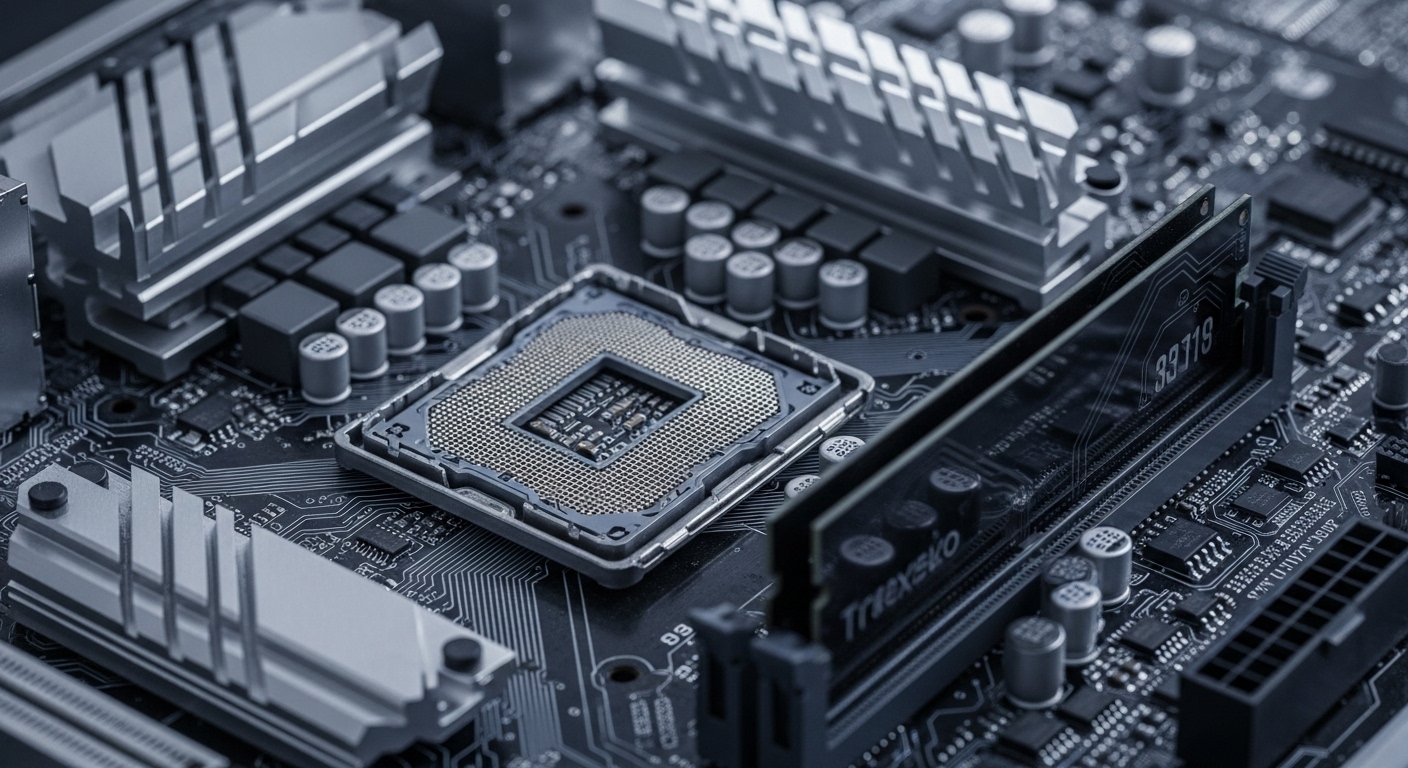
Modern computing has progressed at an exponential rate, enabling innovations that were once considered science fiction. Processors today perform billions of calculations per second, powering devices that are faster, smaller, and more energy-efficient. Cloud computing has transformed data storage and processing, allowing organizations to scale operations without heavy investments in physical infrastructure.
Artificial intelligence (AI) is one of the most impactful technological advancements. AI systems can analyze vast amounts of data, recognize patterns, and make decisions faster than humans. Applications include virtual assistants, autonomous vehicles, predictive analytics, and medical diagnostics. Machine learning, a subset of AI, enables systems to learn and improve over time, providing automation and insights that enhance productivity across industries.
The Internet of Things and Connected Devices
The Internet of Things (IoT) refers to the network of physical devices connected to the internet, capable of collecting and sharing data. IoT has transformed homes, workplaces, and cities by creating interconnected systems that improve efficiency, safety, and convenience.
Smart homes feature connected devices such as thermostats, lights, security systems, and appliances that can be controlled remotely. Wearable health devices monitor vital signs, sleep patterns, and physical activity, contributing to personalized healthcare. In industrial settings, IoT sensors monitor equipment, optimize production processes, and reduce downtime, driving productivity and cost savings.
Smart cities leverage IoT to manage traffic, energy consumption, waste disposal, and public services. This integration of technology creates more sustainable, efficient, and responsive urban environments.
Telecommunications and 5G Networks
Telecommunications infrastructure is the backbone of modern technology. From early landline networks to mobile and broadband services, communication systems have continuously evolved. 4G networks enabled high-speed mobile internet, facilitating streaming, social media, and mobile applications.
The deployment of 5G networks is revolutionizing connectivity. 5G provides higher speeds, lower latency, and increased network capacity, enabling real-time applications such as augmented reality, autonomous vehicles, and remote healthcare. Businesses across sectors benefit from faster and more reliable connections, allowing innovation in areas like telemedicine, industrial automation, and immersive entertainment experiences.
Cloud Computing and Data Management
Cloud computing has transformed how businesses and individuals access, store, and process information. By using remote servers and online platforms, organizations can scale operations, collaborate efficiently, and deploy advanced tools without investing heavily in physical infrastructure.
Cloud platforms enable businesses to analyze customer behavior, optimize logistics, and provide personalized experiences. Cloud computing supports artificial intelligence, big data analytics, and application development, making it an essential component of modern technology infrastructure. Collaboration tools and remote work solutions powered by the cloud have become especially important, connecting teams globally and ensuring business continuity.
Cybersecurity and Privacy
As technology becomes more integrated into daily life, cybersecurity and data privacy have emerged as critical concerns. Cyberattacks, hacking, and identity theft pose significant risks to individuals, organizations, and governments. Protecting sensitive information is essential for trust and operational integrity.
Organizations invest in encryption, firewalls, and multi-factor authentication to secure digital assets. Cybersecurity awareness and education are equally important, helping users understand threats and adopt safe practices. The increasing reliance on digital platforms makes robust cybersecurity measures critical for maintaining safe and reliable technological environments.
Emerging Technologies and Innovations
Several emerging technologies are reshaping industries and daily life.
Blockchain
Blockchain provides secure, decentralized, and transparent methods for recording transactions. It has applications in finance, supply chain management, digital identity verification, and voting systems. Cryptocurrencies leverage blockchain technology, creating new forms of financial transactions and digital assets.
Virtual and Augmented Reality
Virtual reality (VR) immerses users in digital environments, while augmented reality (AR) overlays digital information on the real world. These technologies are revolutionizing gaming, education, training, and healthcare. VR enables realistic simulations, while AR enhances real-world experiences with interactive elements.
Quantum Computing
Quantum computing uses qubits to process complex calculations simultaneously, offering a significant increase in computational power. Quantum systems could transform fields such as cryptography, artificial intelligence, and material science, solving problems beyond the reach of classical computers.
Robotics and Automation
Robotics and automation improve productivity, efficiency, and safety across industries. Advanced robots handle repetitive, dangerous, or precision tasks in manufacturing, logistics, healthcare, and service sectors. Automation reduces errors and allows humans to focus on higher-value tasks.
Technology in Healthcare
Healthcare has been profoundly transformed by technology. Telemedicine allows patients to consult doctors remotely, increasing access to care. Wearable devices monitor health metrics in real-time, while AI assists in diagnostics and treatment planning.
Electronic health records streamline patient data management, enabling seamless collaboration among healthcare providers. Robotics enhance surgical precision and reduce recovery times. Technology has made healthcare more efficient, personalized, and widely accessible.
Education and Technology
Technology has revolutionized education, creating new ways for students to learn. Online learning platforms, digital classrooms, and interactive tools enable access to educational resources from anywhere. Adaptive learning systems tailor content to individual students, enhancing learning outcomes.
Virtual reality provides immersive educational experiences, such as virtual field trips, simulations, and interactive experiments. Technology fosters collaboration, critical thinking, and problem-solving, preparing students for a digital future.
Business Transformation Through Technology
Technology drives innovation, efficiency, and competitiveness in business. Digital transformation enables companies to optimize operations, enhance customer experiences, and develop new products and services.
E-commerce platforms have changed retail, offering convenience and personalization. Data analytics and AI allow businesses to predict trends, understand customer behavior, and make informed decisions. Collaboration and project management tools enable remote teams to work efficiently across geographies, while automation reduces operational costs and enhances accuracy.
Businesses that embrace technological innovation remain adaptable, competitive, and resilient in a rapidly changing global market.
Social and Cultural Implications
Technology has transformed social interaction and cultural expression. Social media platforms connect people worldwide, facilitating communication, collaboration, and information sharing. Digital content creation, streaming, and online communities provide avenues for creativity and entertainment.
At the same time, technology presents challenges such as digital addiction, misinformation, and privacy concerns. Balancing technological benefits with ethical considerations and responsible use is essential for sustainable societal growth.
Environmental and Sustainability Considerations
While technology offers significant benefits, it also poses environmental challenges. Data centers consume large amounts of energy, and electronic waste continues to grow. Sustainable technology solutions, such as energy-efficient devices, renewable energy-powered data centers, and responsible recycling programs, are essential for minimizing environmental impact.
Green technologies, including smart grids, clean energy systems, and sustainable manufacturing, demonstrate how innovation can address environmental concerns while promoting efficiency and long-term sustainability.
The Future of Technology
The future of technology promises continued innovation and integration across industries and daily life. Artificial intelligence, quantum computing, and immersive digital experiences will redefine work, education, healthcare, and entertainment. Connectivity will improve through 5G, IoT, and satellite-based networks, enabling real-time interaction across the globe.
Ethical considerations, privacy, and cybersecurity will become increasingly important as technology becomes ubiquitous. Collaboration between governments, businesses, and communities will ensure responsible development, equitable access, and sustainable use of technology.
Emerging technologies will enhance productivity, creativity, and human potential, creating a future in which innovation and society evolve together.
Conclusion
Technology has become an indispensable part of modern life, influencing how people live, work, and interact. From early computing to artificial intelligence, IoT, cloud computing, and immersive digital experiences, innovation continues to transform the world at an unprecedented pace.
Its impact spans multiple sectors, including healthcare, education, business, entertainment, and communication. Technology creates opportunities and challenges that require adaptation, responsibility, and ethical considerations. By embracing technological advancements and using them responsibly, society can achieve progress, efficiency, and sustainable growth.
The story of technology is ongoing, with each new innovation expanding human capability, connecting communities, and shaping the future. The transformative power of technology will continue to redefine the way we live, work, and interact, offering limitless possibilities for the years ahead.