Technology has become an inseparable part of human life, touching every facet of society and transforming how people communicate, learn, work, and entertain themselves. From the earliest inventions to today’s sophisticated artificial intelligence, quantum computing, and immersive realities, technology continues to redefine human potential. Unlike any other period in history, the pace of technological advancement is exponential, offering opportunities that reshape industries, economies, and everyday experiences.
This blog explores how modern technologies are changing the way humans live, the innovations driving this change, their applications across various sectors, and the ethical and societal implications associated with rapid technological progress.
The Journey of Technological Advancement
The history of technology is a story of human ingenuity and adaptability. Early humans relied on simple tools, fire, and basic agriculture to survive and prosper. These early inventions allowed communities to settle, grow, and trade, laying the foundation for civilizations.
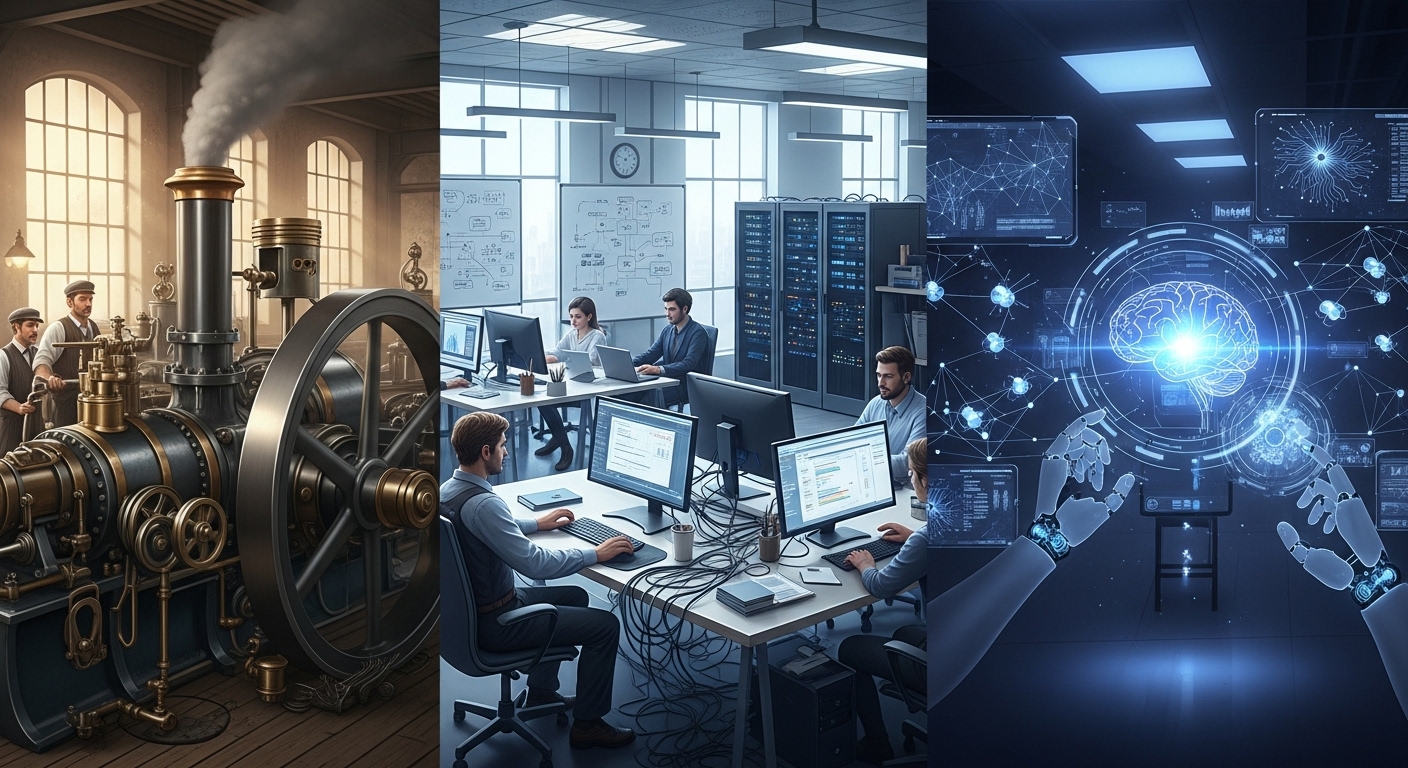
The Industrial Revolution was a defining era, introducing mechanization, steam engines, and mass production. It transformed economies, increased productivity, and enabled the creation of large urban centers. Technology became the backbone of societal growth, shaping work patterns, trade, and lifestyles.
The 20th century brought electrification, telecommunication, aviation, and computing, revolutionizing how people lived and interacted. The rise of the internet connected the world, creating a digital ecosystem that enabled instant communication, online commerce, and access to information at an unprecedented scale. Today, technology is evolving faster than ever, with AI, robotics, virtual reality, biotechnology, and quantum computing leading the charge.
Artificial Intelligence: The Brain of Modern Machines
Artificial intelligence has transformed the way machines process data, solve problems, and interact with humans. AI systems analyze enormous datasets, recognize patterns, and make decisions autonomously. Machine learning, a subset of AI, allows these systems to learn from past experiences and continually improve performance.
AI applications are vast and multifaceted. In healthcare, AI aids in early disease detection, predictive diagnostics, and personalized treatments. In business, it optimizes supply chains, enhances customer experiences, and automates routine tasks. AI powers virtual assistants, autonomous vehicles, and intelligent manufacturing systems, demonstrating its integration into everyday life.
Deep learning models allow AI to handle complex tasks, such as natural language understanding, image recognition, and real-time decision-making. Industries are leveraging AI to increase efficiency, reduce operational costs, and create innovative solutions that redefine human-machine collaboration.
Quantum Computing: Unlocking New Dimensions
Quantum computing represents a revolutionary approach to computation. Unlike classical computers, which use binary bits to process data, quantum computers use qubits capable of existing in multiple states simultaneously. This enables quantum machines to solve complex problems exponentially faster than traditional computers.
Quantum computing has transformative potential across multiple sectors. In pharmaceuticals, it accelerates drug discovery and molecular simulations. In finance, it optimizes risk assessment and portfolio management. In cybersecurity, quantum systems can enhance encryption methods, creating more secure digital environments. As quantum technology matures, it is expected to redefine problem-solving, scientific research, and computational efficiency.
Robotics and Automation: Redefining Productivity
Robotics and automation are changing the face of industries and daily life. Industrial robots streamline production processes by handling repetitive and precise tasks, while service robots assist in healthcare, logistics, and customer service.
Advances in AI enable robots to adapt to dynamic environments and perform complex operations alongside humans. Autonomous drones, surgical robots, and warehouse automation illustrate the impact of robotics in enhancing efficiency, precision, and safety. Automation reduces operational costs, minimizes errors, and allows human workers to focus on creativity, strategy, and decision-making.
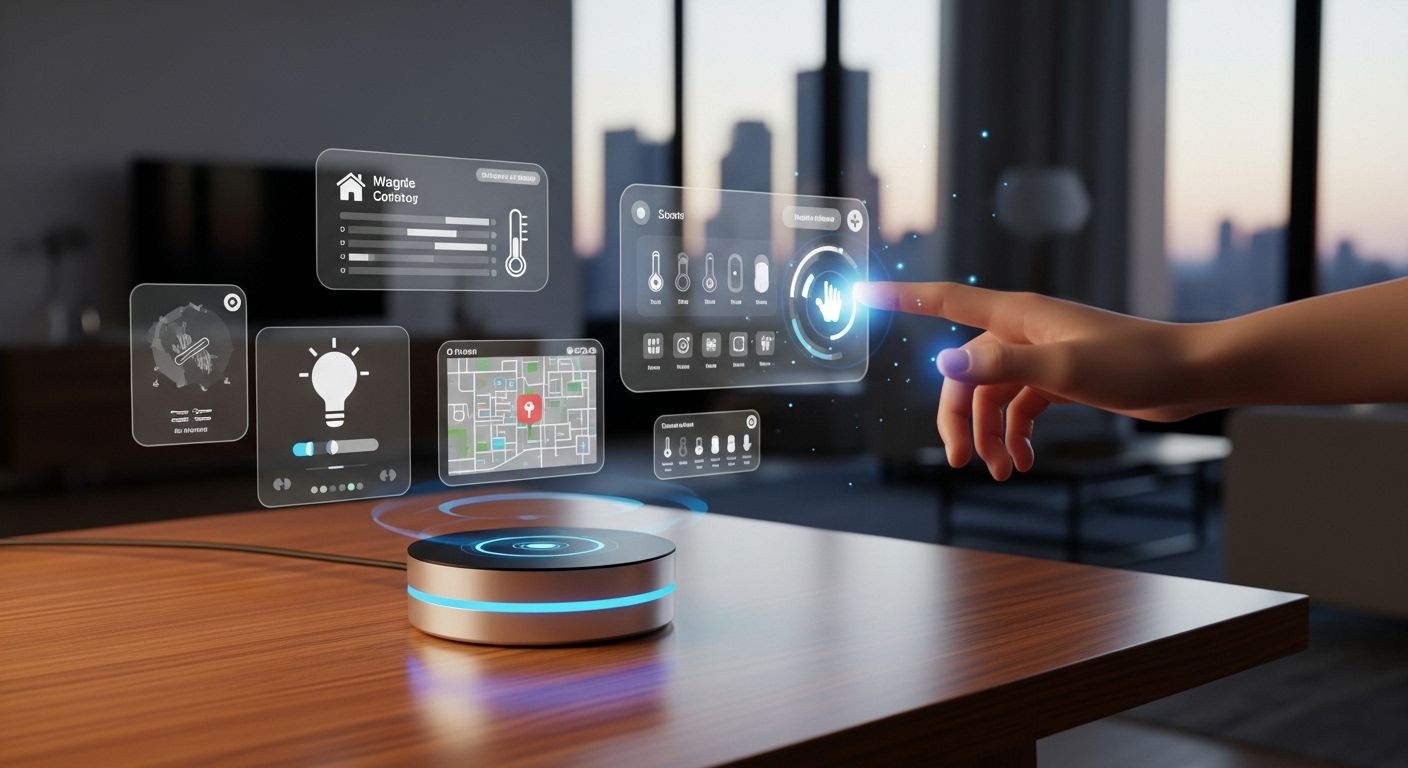
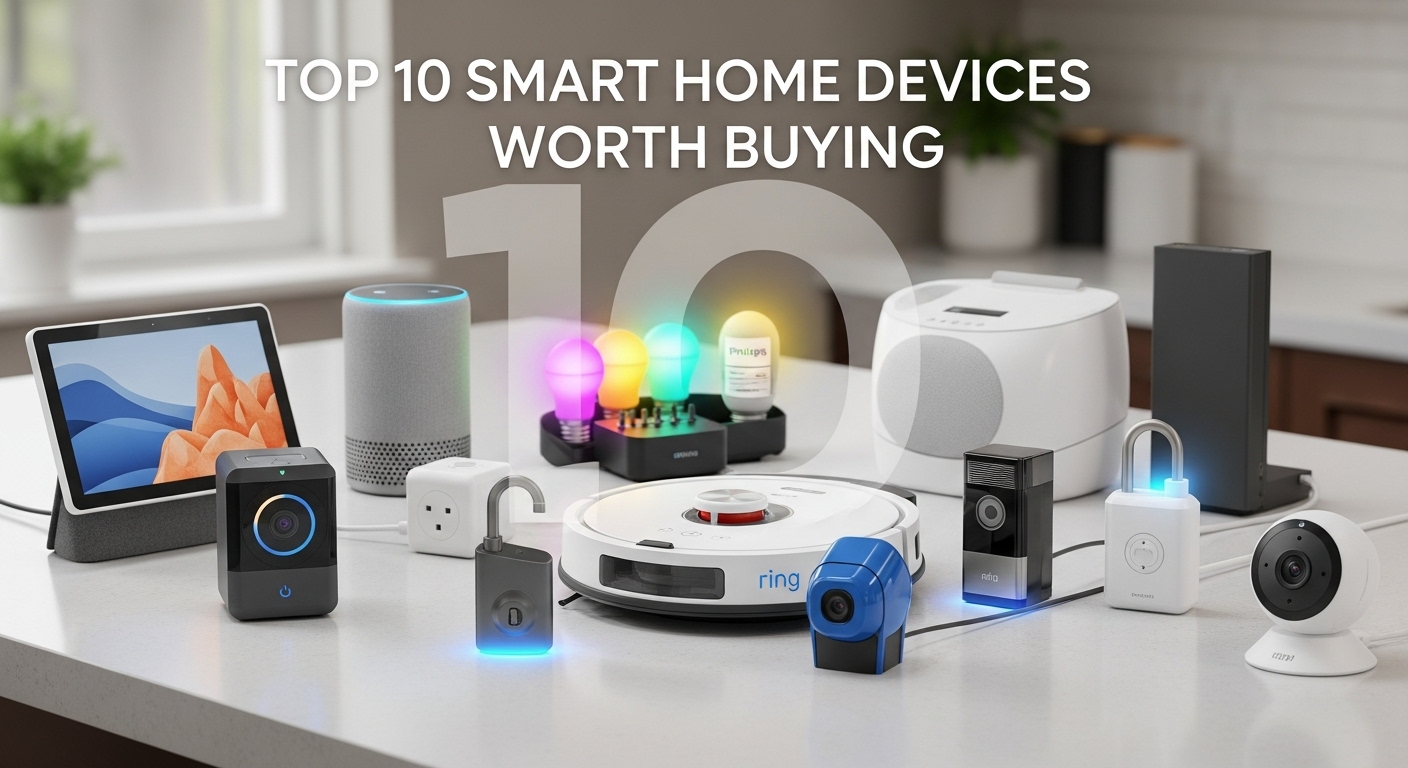
Robotics is also expanding into consumer spaces, with smart home devices, personal assistants, and automated appliances making life more convenient, efficient, and interconnected.
The Internet of Things: Creating a Connected Ecosystem
The Internet of Things connects devices, sensors, and systems to the internet, allowing real-time data collection and intelligent decision-making. IoT applications range from smart homes and wearable health monitors to industrial sensors and urban infrastructure.
In healthcare, wearable IoT devices monitor vital signs and detect early signs of illness. In smart cities, IoT systems optimize traffic flow, energy consumption, and public safety. Industrial IoT enables predictive maintenance, reducing downtime and improving operational efficiency. The integration of IoT with AI ensures that data collected by devices can be analyzed and acted upon autonomously, creating intelligent environments that enhance daily life and business operations.
Biotechnology: Revolutionizing Healthcare
Biotechnology and genetic engineering are redefining healthcare. Gene-editing technologies like CRISPR allow scientists to modify DNA sequences with precision, offering potential cures for genetic disorders. Personalized medicine tailors treatments to individual genetic and physiological profiles, enhancing effectiveness and minimizing side effects.
Telemedicine platforms connect patients with healthcare providers remotely, increasing accessibility and convenience. Wearable devices monitor health metrics continuously, providing data for preventive care. Robotic-assisted surgeries improve precision, reduce recovery times, and enhance patient outcomes. Biotechnology not only improves healthcare but also holds the potential to extend human lifespan and enhance overall quality of life.
Virtual and Augmented Reality: Immersive Experiences
Virtual reality immerses users in fully digital environments, while augmented reality overlays digital information onto the real world. Both technologies are transforming education, healthcare, entertainment, and industry.
In education, VR simulations allow students to explore complex subjects interactively, while AR applications provide real-time information overlays for hands-on learning. Healthcare professionals use VR for surgical training, pain management, and rehabilitation therapies. The entertainment industry leverages VR and AR to deliver immersive gaming experiences, virtual concerts, and interactive storytelling.
By merging digital and physical realities, VR and AR enhance engagement, learning, and productivity across multiple fields.
Technology in Business and Industry
Businesses are increasingly dependent on technology for operational efficiency, customer engagement, and innovation. AI and data analytics support decision-making, optimize workflows, and predict market trends. Cloud computing enables global collaboration, remote work, and scalable resource management.
E-commerce has transformed retail by allowing companies to reach global audiences without physical storefronts. Blockchain technology enhances transparency and security in transactions, supply chains, and digital agreements. Automation and IoT improve manufacturing processes, reduce waste, and enhance product quality. Technology empowers businesses to stay competitive, agile, and innovative in a rapidly evolving marketplace.
Technology in Education
Education has embraced technology to improve accessibility, engagement, and effectiveness. Online learning platforms and digital classrooms allow students to access knowledge from anywhere, while AI-driven tools provide personalized learning experiences.
Virtual labs, AR-based tutorials, and interactive simulations enrich traditional learning methods. AI systems assess student performance, identify areas of improvement, and provide adaptive learning pathways. Technology empowers educators to deliver creative, engaging lessons while fostering critical thinking, collaboration, and problem-solving skills among students.
Technology in Entertainment
Digital technology has revolutionized the entertainment industry. Streaming services, online gaming, esports, and social media platforms have reshaped how audiences consume and interact with content.
VR and AR technologies create immersive experiences, enhancing gaming, live events, and storytelling. AI-powered recommendation systems deliver personalized content, increasing engagement and satisfaction. Technology has transformed entertainment into an interactive, global experience, where creators and audiences collaborate and connect in unprecedented ways.
Emerging Trends in Technology
Artificial Intelligence and Deep Learning
AI and deep learning continue to expand across industries, driving automation, predictive analytics, and innovation in healthcare, finance, and creative fields.
5G and Advanced Connectivity
High-speed, low-latency 5G networks support IoT, autonomous vehicles, telemedicine, and immersive media, enhancing productivity and connectivity.
Quantum Computing
Quantum computing solves complex problems previously impossible for classical computers, offering breakthroughs in cryptography, simulations, and scientific research.
Sustainable Technology
Green innovations in renewable energy, energy-efficient devices, and eco-friendly manufacturing promote sustainability and address global environmental challenges.
Human-Machine Collaboration
AI, robotics, and augmented intelligence enable humans to work alongside machines, combining creativity and computational power for enhanced problem-solving and efficiency.
Ethical and Societal Implications
Rapid technological advancements bring ethical and societal challenges. Data privacy, cybersecurity, and AI ethics are critical concerns. Automation may disrupt labor markets, necessitating workforce reskilling and adaptation.
Social issues such as digital addiction, misinformation, and equitable access to technology require careful consideration. Governments, corporations, and communities must collaborate to ensure responsible deployment and ethical use of technology.
The Future of Innovation
The future will be defined by human-machine collaboration, AI-driven solutions, immersive digital experiences, quantum computation, and advanced biotechnology. Smart cities, autonomous transportation, personalized healthcare, and integrated digital ecosystems will become integral to daily life.
Sustainability, ethics, and responsible innovation will guide technological development. Collaboration among governments, industries, and individuals will ensure that technology benefits society as a whole. Human creativity combined with intelligent systems will unlock unprecedented opportunities for progress, efficiency, and discovery.
Conclusion
Technology is transforming human experience at an unparalleled pace. Artificial intelligence, robotics, quantum computing, biotechnology, VR, AR, and IoT are redefining healthcare, education, business, entertainment, and daily life.
While challenges such as ethical considerations, privacy, and accessibility persist, the potential of technology to enhance productivity, improve quality of life, and foster global connectivity is immense. Technology is no longer merely a tool; it is a driving force for human innovation, shaping the present and future of civilization.