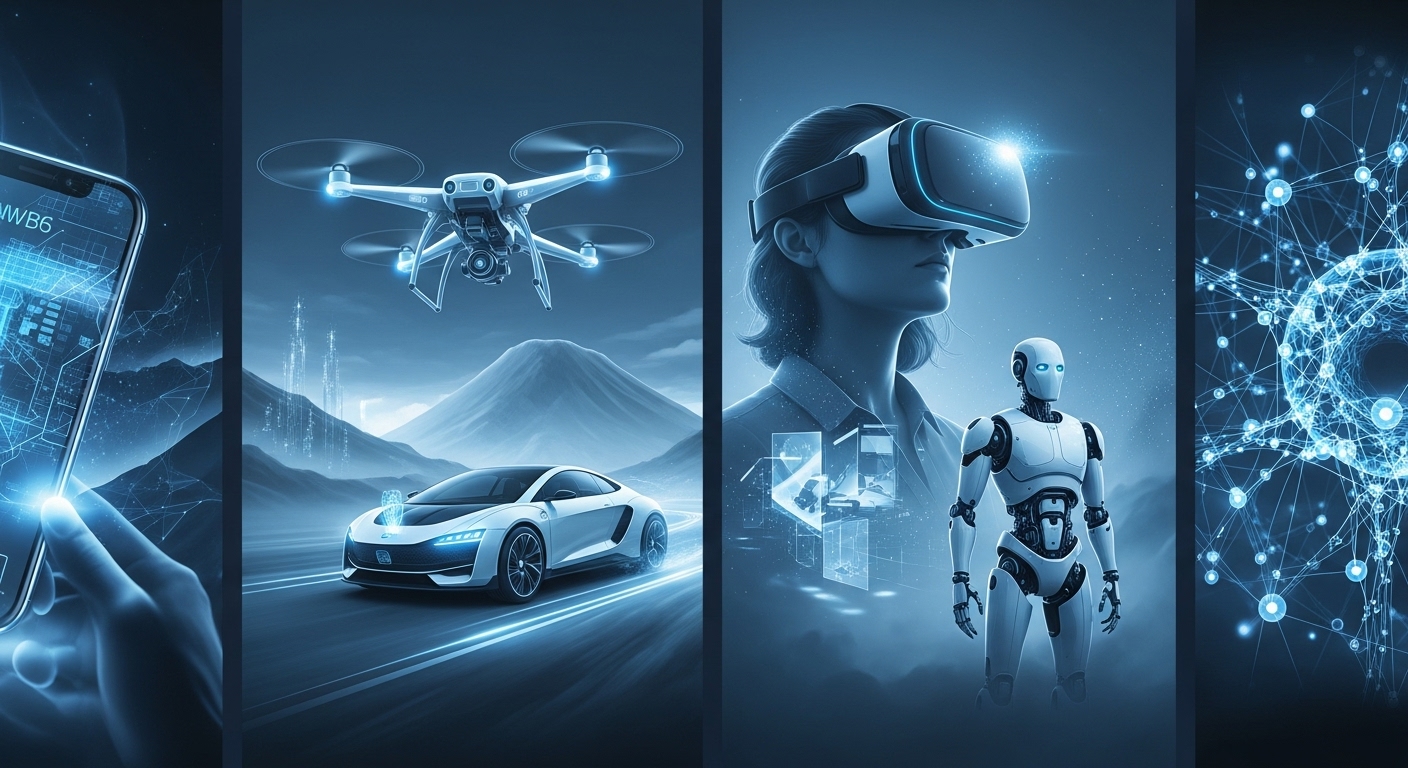
Technology has become an inseparable part of human life. From the earliest tools made of stone to artificial intelligence that can simulate human thought, technology has continually transformed the way we live, work, and interact. The journey of technology is both fascinating and complex, involving a combination of human curiosity, ingenuity, and necessity. In this blog post, we will explore the evolution of technology, its present state, and the future possibilities that promise to redefine our existence.
The Early Stages of Technological Development
The story of technology begins with humanity’s earliest inventions. The creation of simple tools, such as stone axes and fire-making techniques, laid the foundation for human progress. These early innovations were driven by survival needs, including hunting, food preparation, and protection.
Around 3500 BCE, the invention of the wheel revolutionized transportation and trade. This simple circular device enabled the movement of goods and people over longer distances, paving the way for the development of cities and civilizations. Similarly, the discovery of metalworking allowed humans to create stronger tools and weapons, marking the beginning of the Bronze Age and later the Iron Age.
The invention of writing systems further accelerated technological progress. Writing enabled the documentation of knowledge, communication across generations, and the organization of complex societies. Civilizations such as Mesopotamia and Ancient Egypt flourished due to these advancements, demonstrating how technology is deeply intertwined with societal development.
The Industrial Revolution: A Turning Point in Technology
The Industrial Revolution, which began in the late 18th century, marked a significant turning point in human history. It introduced mechanization, transforming agriculture, manufacturing, and transportation. The steam engine, invented by James Watt, became a symbol of industrial progress, powering factories, trains, and ships.
Mechanized production dramatically increased output and efficiency. Factories replaced artisanal workshops, and the global economy expanded at an unprecedented pace. This period also saw the invention of the telegraph and the railway system, connecting distant regions and enabling the rapid exchange of information and goods.
However, industrialization also brought challenges, including urban overcrowding, pollution, and labor exploitation. These issues highlighted the dual nature of technology: while it can drive progress, it also requires responsible management to avoid negative consequences.
The Digital Revolution: Computing and the Internet
The 20th century introduced another major wave of technological transformation: the Digital Revolution. The invention of the transistor in 1947 and the subsequent development of integrated circuits laid the groundwork for modern computing. Computers evolved from room-sized machines to personal devices that could fit on a desk, transforming every aspect of life.
The rise of the internet in the late 20th century further revolutionized communication and information sharing. Email, social media, and cloud computing created a connected world, allowing individuals and businesses to collaborate in real-time across continents. The digital revolution democratized knowledge, empowering people with unprecedented access to information and opportunities.
Artificial intelligence (AI) and machine learning represent the latest frontier in digital technology. These systems can analyze massive datasets, recognize patterns, and make predictions, enabling applications ranging from medical diagnostics to autonomous vehicles. The integration of AI into daily life continues to reshape industries and challenge traditional concepts of work and decision-making.
Mobile Technology and the Rise of Smart Devices
Mobile technology has become one of the defining features of the 21st century. The invention of smartphones transformed communication, entertainment, and commerce. Modern smartphones combine computing power, connectivity, and multimedia capabilities in a compact device, making them indispensable tools for billions of people worldwide.
The rise of mobile apps has created new business models and opportunities. From ride-hailing services to mobile banking, these applications have changed the way people interact with services and conduct transactions. The development of 5G networks further enhances mobile technology, enabling faster speeds, lower latency, and the proliferation of the Internet of Things (IoT).
IoT refers to the network of interconnected devices that communicate and exchange data. Smart homes, wearable health devices, and connected cars are examples of IoT in action. By collecting and analyzing data, these devices can improve efficiency, enhance safety, and provide personalized experiences.
Artificial Intelligence and Machine Learning
Artificial intelligence has moved from the realm of science fiction to practical applications that impact everyday life. AI systems are designed to simulate human intelligence, performing tasks such as problem-solving, decision-making, and natural language processing.
Machine learning, a subset of AI, allows systems to learn from data and improve performance over time without explicit programming. This capability has led to significant advancements in fields such as healthcare, finance, and marketing. For example, AI algorithms can analyze medical images to detect diseases earlier than traditional methods, potentially saving lives.
Natural language processing, another branch of AI, enables machines to understand and generate human language. Virtual assistants, chatbots, and language translation tools rely on this technology, improving accessibility and communication across the globe.
However, the rise of AI also raises ethical and societal questions. Concerns about privacy, bias, and the displacement of jobs must be addressed to ensure that AI benefits society without causing harm.
Robotics and Automation
Robotics and automation have transformed industries ranging from manufacturing to healthcare. Industrial robots perform repetitive tasks with high precision, reducing human error and increasing efficiency. Automation in logistics, such as warehouse robots and autonomous delivery vehicles, has streamlined supply chains and improved service delivery.
In healthcare, robotic systems assist surgeons in performing complex procedures with greater accuracy. Rehabilitation robots support patients in regaining mobility, while robotic prosthetics enhance quality of life for individuals with disabilities.
The integration of robotics with AI further expands possibilities. Autonomous robots can navigate unpredictable environments, make decisions in real-time, and collaborate with humans safely. These advancements have the potential to reshape workplaces, requiring new skills and approaches to labor management.
Blockchain and Decentralized Technologies
Blockchain technology has emerged as a revolutionary concept with applications beyond cryptocurrencies. At its core, blockchain is a decentralized ledger that records transactions in a secure, transparent, and immutable manner.
This technology has disrupted finance through cryptocurrencies such as Bitcoin and Ethereum, providing alternatives to traditional banking systems. Beyond finance, blockchain has applications in supply chain management, healthcare records, and digital identity verification. By ensuring transparency and reducing reliance on centralized authorities, blockchain has the potential to create more trustworthy systems.
Decentralized finance, or DeFi, leverages blockchain to offer financial services without intermediaries. This innovation has the potential to increase financial inclusion, enabling people worldwide to access credit, savings, and investment opportunities.
The Role of Technology in Education
Technology has transformed education, making learning more accessible, personalized, and interactive. Online courses, digital textbooks, and educational platforms allow students to learn at their own pace and from any location. Virtual classrooms and video conferencing facilitate global collaboration, connecting learners and educators across borders.
Artificial intelligence and adaptive learning systems further enhance education. AI can analyze student performance, identify strengths and weaknesses, and provide tailored learning experiences. Gamification, virtual reality (VR), and augmented reality (AR) make learning engaging, immersive, and effective.
However, the digital divide remains a challenge. Access to technology and reliable internet is uneven, limiting opportunities for some students. Addressing these disparities is essential to ensure equitable access to education in the digital age.
Emerging Technologies Shaping the Future
Several emerging technologies have the potential to reshape industries and society in the coming years. Quantum computing, for example, promises to solve complex problems that are currently beyond the reach of classical computers. This could revolutionize fields such as cryptography, materials science, and climate modeling.
Biotechnology and genetic engineering are advancing rapidly, enabling personalized medicine, disease prevention, and improved agricultural practices. CRISPR technology allows precise editing of genes, opening new possibilities for curing genetic disorders and enhancing human health.
Renewable energy technologies, such as solar, wind, and energy storage systems, are critical for addressing climate change. Advances in energy efficiency, smart grids, and sustainable materials will play a key role in building a sustainable future.
The Social Impact of Technology
While technology drives innovation and economic growth, it also has profound social implications. Social media platforms have transformed communication, enabling real-time interaction but also contributing to issues such as misinformation, cyberbullying, and privacy concerns.
The gig economy, powered by digital platforms, has created new employment opportunities but also raised questions about job security, benefits, and labor rights. Automation and AI may displace traditional jobs, requiring societies to rethink education, reskilling, and social safety nets.
Technology also has the power to promote social good. Data analytics, mobile connectivity, and AI are being used to tackle global challenges such as poverty, health crises, and disaster response. By leveraging technology responsibly, societies can enhance quality of life and promote equitable development.
Ethical Considerations in Technology
As technology becomes increasingly integrated into daily life, ethical considerations become paramount. Privacy, security, and data ownership are critical concerns in an era of ubiquitous digital information. Companies and governments must ensure that personal data is protected and used responsibly.
Artificial intelligence raises ethical questions related to bias, accountability, and decision-making. AI systems can perpetuate existing inequalities if trained on biased datasets. Transparent algorithms, regulatory oversight, and inclusive design practices are essential to mitigate these risks.
Sustainability is another ethical dimension. Technology development and usage must consider environmental impacts, resource consumption, and long-term ecological consequences. Ethical technology practices balance innovation with responsibility to society and the planet.
Conclusion: Embracing the Future of Technology
The journey of technology is a testament to human creativity, ingenuity, and adaptability. From simple tools to AI-driven systems, technology has transformed every aspect of human life, offering opportunities and challenges in equal measure.
The future promises even greater advancements, from quantum computing to biotechnology, renewable energy, and beyond. However, the benefits of technology depend on how it is applied, regulated, and integrated into society. Ethical considerations, inclusivity, and sustainability must guide technological innovation to ensure a better future for all.
As we embrace the next wave of technological progress, it is essential to recognize that technology is not just about machines and software; it is about human potential, creativity, and responsibility. By leveraging technology thoughtfully, society can address pressing challenges, unlock new opportunities, and continue the remarkable journey of innovation that has defined human history.